


Extreme Heat Is Changing the World: Travel, Sports and Cities in 2026
Extreme heat used to feel like a seasonal inconvenience. It meant uncomfortable afternoons, crowded beaches, cold drinks, delayed trains, hot steering wheels and sleepless nights. For many people, heat was something to complain about, survive for a few days and then forget when the weather changed. But in 2026, that old way of thinking no longer works.
Heat is now becoming one of the most powerful forces reshaping modern life. It is changing where people travel, when they travel and what they expect from destinations. It is testing the limits of global sports, especially outdoor tournaments played in the middle of summer. It is forcing cities to rethink streets, buildings, public transport, parks, working hours and emergency systems. It is also exposing deep inequalities between those who can escape, cool down and adapt, and those who cannot.
The world is not simply getting warmer in a smooth, predictable way. It is becoming more extreme, more uneven and more difficult to manage. A city can experience official air temperatures that already feel dangerous, while asphalt, concrete, rooftops and metal surfaces become much hotter than the air around them. A tourist destination can look beautiful in photos but become exhausting or unsafe during a heatwave. A football match can be scheduled as a global celebration and then become a test of hydration, medical planning and climate resilience. A normal commute can become a health risk for an elderly person, a child, a construction worker or someone living in a small apartment without air conditioning.
In 2026, extreme heat is no longer a background issue. It is moving into the center of public life.
This does not mean that summer is over or that travel, sport and city life are doomed. Humans are adaptable. Cities can be redesigned. Tourism can become smarter. Sports can change schedules and safety rules. Technology can help detect danger earlier. Green spaces, shade, water systems and better buildings can save lives. But adaptation requires honesty. The first step is accepting that heat is not just weather anymore. It is infrastructure. It is health policy. It is economic planning. It is tourism strategy. It is sports governance. It is social justice.
The year 2026 may be remembered as one of the years when this reality became impossible to ignore. From European heatwaves and record sea temperatures to concerns about major sporting events in hot and humid cities, the message is clear: heat is no longer something the modern world can simply endure. It must be planned for.
1. Why Extreme Heat Feels Different Now
Every generation has stories about hot summers. Older relatives remember dry fields, crowded swimming pools and windows left open at night. Cities have always had heatwaves. Mediterranean holidays have always included intense sun. Athletes have always had to perform in difficult weather. So why does today’s heat feel different?
The difference is scale, frequency and intensity.
A single hot day is uncomfortable. A week of unusually high temperatures is stressful. Repeated heatwaves, hotter nights, warmer oceans, drier landscapes, overloaded hospitals and infrastructure failures are something else entirely. Extreme heat becomes dangerous when it does not allow people, buildings, animals, crops or ecosystems enough time to recover.
One of the most important changes is nighttime heat. People often focus on daytime maximum temperatures, but warm nights are a major health risk. The human body needs cooler hours to rest and regulate itself. When nights remain hot, the stress accumulates. Sleep quality declines. Heart and respiratory systems work harder. Older people, infants, outdoor workers and people with chronic conditions become more vulnerable. A heatwave is not only about the peak temperature at 2 p.m.; it is also about whether the temperature drops enough at 2 a.m.
Another difference is humidity. Dry heat and humid heat affect the body differently. When the air is humid, sweat evaporates less efficiently. Sweating is one of the body’s main cooling systems, so humid heat can become dangerous even when the thermometer does not show an astonishing number. This is why measures such as wet-bulb temperature or wet bulb globe temperature matter. They account for the combined stress of heat, humidity, sun exposure and wind. For outdoor work and sport, these measures can be more meaningful than air temperature alone.
There is also the issue of oceans. Warmer seas do not simply mean better swimming. They can influence weather patterns, feed storms, disrupt marine ecosystems and make coastal nights hotter. Warm seas around Europe, the Mediterranean, the Atlantic or other regions can help sustain extreme weather patterns. They also affect tourism, fishing, biodiversity and coastal economies.
Then there is urbanization. More people live in cities than ever before. Cities concentrate concrete, asphalt, glass, vehicles, air-conditioning exhaust, dense buildings and limited vegetation. This creates the urban heat island effect, where built-up areas become significantly hotter than nearby rural areas. The same heatwave can feel very different in a tree-lined neighborhood than in a district with wide roads, dark roofs, small apartments and little shade.
This is why extreme heat is now a systems problem. It touches health, energy, transport, housing, food, water, labor and culture at the same time.
A heatwave can increase electricity demand as millions of people switch on air conditioning. That demand can stress power grids. If the grid fails, the people most dependent on cooling are suddenly at risk. High temperatures can deform roads, affect railway tracks, reduce aircraft performance, slow construction work, damage crops and increase wildfire risk. Water demand rises. Emergency services face more calls. Hospitals treat more heat-related illness. Outdoor events become harder to manage. Schools, care homes and workplaces need safety plans.
The modern world was built with assumptions about climate. Many buildings, roads, schedules and tourism models were designed for the weather of the past. But the weather of the past is no longer a reliable guide to the future.
This does not mean every hot day is caused directly by climate change in a simple one-to-one way. Weather is always influenced by many factors. But climate change increases the likelihood, severity and persistence of extreme heat. It loads the dice. It makes rare heat events less rare. It pushes temperatures into ranges that societies were not designed to handle regularly.
That is why 2026 feels different. It is not just that some places are hot. It is that heat is becoming a planning condition for the whole world.
2. Travel Is Moving Away from the Old Summer Formula
For decades, summer tourism followed a familiar dream: go south, find the sun, lie on a beach, explore old cities, eat outdoors and return home with photos of blue skies. The Mediterranean, southern Europe, tropical islands and hot coastal regions became symbols of vacation happiness. Sun was the product. Heat was part of the package.
That formula is now changing.
The desire for sunshine has not disappeared, but travelers are becoming more cautious. They are asking different questions. Will it be too hot to walk around the city? Will there be wildfires nearby? Will the hotel have reliable air conditioning? Is the beach accessible during the hottest hours? Are restaurants and public spaces comfortable? Is August still the best time to visit, or would May, September or October be better?
Extreme heat is changing not only where people travel, but also when and how they travel.
One of the clearest trends is the rise of “coolcations.” The word sounds playful, but the shift behind it is serious. More travelers are looking for cooler destinations during summer: northern Europe, mountain regions, lakes, forests, Atlantic coastlines, higher-altitude towns and places where outdoor activities remain comfortable. Countries and regions once seen as secondary summer choices may become more attractive as traditional hotspots become hotter and more crowded.
This does not mean southern Europe will stop being popular. Italy, Spain, Greece, Portugal, Croatia, France and Turkey remain culturally rich, beautiful and deeply attractive. But the experience of visiting them in peak summer may change. Travelers may increasingly avoid midday sightseeing, choose coastal or mountain locations over dense inland cities, travel in shoulder seasons or pay more attention to heat warnings before booking.
City breaks are especially vulnerable. Walking through Rome, Athens, Seville, Madrid, Lisbon, Dubrovnik or Istanbul can be magical in mild weather and exhausting during a severe heatwave. Historic cities often have stone surfaces, narrow streets, crowded attractions and limited green space in central areas. Museums may offer relief, but queues, transport, outdoor ruins and public squares can become difficult. The romantic idea of wandering all day with no plan becomes less realistic when the temperature is dangerous.
Heat also changes the value of accommodation. In the past, travelers may have chosen a hotel based mainly on location, price, breakfast or design. In a hotter world, cooling becomes a core feature. Air conditioning, insulation, shaded balconies, ventilation, access to water, pool availability and proximity to green areas become more important. A charming apartment under the roof in an old town may look perfect in photos but become unbearable during a heatwave.
Travel insurance may also become more relevant. Heat can disrupt flights, trains, tours, cruises and outdoor events. Wildfires can close roads or force evacuations. Water shortages can affect islands and resorts. Extreme temperatures can make certain activities unsafe. Tourists may need more flexible booking options, better cancellation policies and more reliable local information.
The travel industry will have to adapt quickly. Hotels may need to invest in cooling without wasting energy. Tour operators may shift schedules to early morning and evening. Cities may promote shaded routes, drinking fountains, cooling centers and heat-safe public transport. Attractions may extend evening hours. Restaurants may redesign outdoor spaces with shade, misting systems or greenery. Travel apps may include heat risk alongside price and distance.
This could also reshape marketing. For years, destinations sold themselves with images of sun, beaches and endless summer. In the future, comfort may become a luxury. Shade may become part of the brand. A city with trees, water, evening culture and reliable transport may feel more attractive than a city that is beautiful but physically draining in July.
There is also a psychological shift. Travelers increasingly want pleasure without punishment. A holiday is supposed to restore energy, not create stress. If extreme heat makes a destination feel risky, crowded or uncomfortable, people will look elsewhere. The winners in future tourism may be places that combine beauty with climate comfort.
This is a major opportunity for lesser-known regions. Northern Spain, the Basque Country, Galicia, the Atlantic coast of France, Scotland, Ireland, Scandinavia, the Baltic states, Alpine regions, Slovenia, northern Italy’s lakes and mountain towns, Canada, New Zealand and other temperate destinations may benefit from travelers seeking cooler summer experiences. Rural tourism, forest retreats, lake holidays and slow travel may grow.
At the same time, there is a risk of shifting pressure. If tourists move from overheated destinations to cooler ones, those cooler places may face overcrowding, rising prices and environmental stress. Climate adaptation in tourism is not only about moving people elsewhere. It is about managing destinations more intelligently.
The old question was: “Where is hot and sunny?”
The new question is: “Where can I enjoy summer safely and comfortably?”
That is a very different travel economy.
3. The World Cup and the Future of Hot-Weather Sport
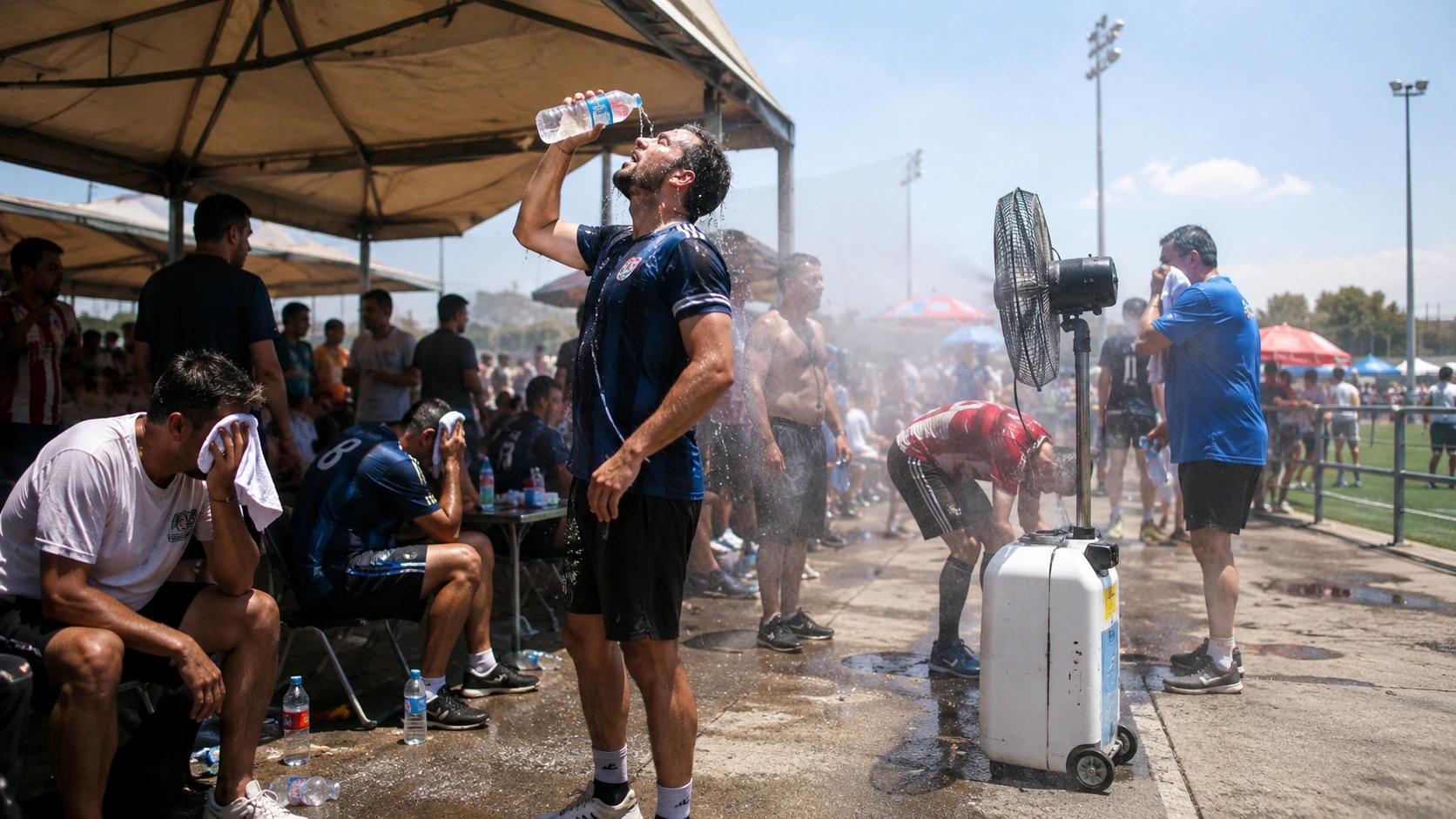
Sport has always celebrated endurance. Athletes are expected to push limits, overcome discomfort and perform under pressure. But extreme heat raises a difficult question: where is the line between challenge and danger?
In 2026, football has become one of the clearest examples of this debate. The World Cup in North America has placed heat risk under global attention. With matches across different climates, including hot and humid cities, the tournament has shown how modern sports planning must now include climate reality. It is not enough to build stadiums, sell tickets and arrange broadcasting schedules. Organizers must also ask whether players, fans, staff, volunteers, police, medical teams, media workers and transport workers can safely function in the conditions.
Football is especially exposed because it is a continuous outdoor sport with limited substitutions compared to some other sports, intense running, emotional pressure and huge crowds. Players can lose fluids quickly. Heat can affect decision-making, reaction time, endurance and recovery. For fans, the risk is different but also serious: long queues, alcohol consumption, crowded public transport, lack of shade, walking between venues and waiting in fan zones can all increase heat stress.
Hydration breaks help, but they are not a complete solution. A short pause cannot fully remove the physiological burden of playing in dangerous heat. Cooling towels, shaded benches, misting stations and medical monitoring can reduce risk, but scheduling remains one of the most powerful tools. Matches played in the evening are usually safer than matches played in the afternoon. Indoor or climate-controlled stadiums reduce exposure, but not every venue has that option.
The issue becomes more complicated because major sports are also global entertainment products. Broadcasters prefer certain time slots. Sponsors want visibility. Fans travel from different time zones. Organizers want full stadiums and predictable schedules. Climate safety can conflict with commercial convenience.
This is not only a football problem. Tennis, athletics, cycling, cricket, motorsport, golf, rugby, baseball and marathon events all face heat challenges. The Australian Open has dealt with extreme heat policies. Olympic organizers have had to consider heat stress in host cities. Marathon routes may need earlier starts. Cycling races may face dangerous road temperatures and dehydration risks. Youth sports may require stricter rules because children are more vulnerable.
The future of sport may involve several major changes.
First, scheduling will become more flexible. Fixed afternoon starts may become harder to justify in high-risk climates. Organizers may need heat windows, backup times and real-time weather decision systems.
Second, heat metrics will become more sophisticated. Air temperature alone is not enough. Sports bodies will increasingly rely on wet bulb globe temperature, humidity, solar radiation, wind and surface temperature. The question will not be “Is it hot?” but “What is the actual heat stress on the human body in this venue at this time?”
Third, athlete unions and medical experts will demand stronger protections. Players are not machines. The idea that elite athletes can simply tolerate any condition is outdated. Extreme heat can threaten even the fittest people, especially during repeated exertion.
Fourth, stadium design will change. Shade, roof structures, airflow, reflective materials, cooling zones, water access and emergency medical capacity will become central features. Fan zones outside stadiums may need as much planning as the pitch itself.
Fifth, climate may affect host selection. Cities bidding for major events will have to prove not only that they have transport and hotels, but also that they can protect people from heat. A beautiful stadium in a dangerous summer climate may become a liability if the event is scheduled at the wrong time.
Sports culture may resist some of these changes at first. Fans love tradition. Broadcasters love certainty. Some commentators may dismiss heat concerns as weakness. But the medical reality is clear: extreme heat is not just discomfort. It can be life-threatening.
Sport has adapted before. Rules changed for concussion awareness. Water breaks became normal in some conditions. Technology entered refereeing. Stadiums improved crowd safety. The same will happen with heat. The question is whether sports organizations adapt before a tragedy forces change.
The future of global sport will not be decided only by talent, money and passion. It will also be decided by climate intelligence.
4. Cities Are Becoming the Front Line of Heat
If extreme heat is the global problem, cities are the front line.
Cities concentrate people, infrastructure and risk. They are where heat becomes most visible: crowded buses, overheated apartments, hot pavements, exhausted delivery riders, packed emergency rooms, children in playgrounds without shade, elderly residents trapped indoors, tourists searching for water and workers exposed to the sun.
The urban heat island effect makes the problem worse. Asphalt absorbs and stores heat. Concrete releases warmth slowly at night. Dark roofs become extremely hot. Glass buildings can reflect sunlight onto streets. Traffic produces additional heat. Air conditioners cool indoor spaces while releasing waste heat outside. When vegetation is limited, there is less shade and less cooling through evaporation.
A city can therefore be much hotter than surrounding countryside. Even within the same city, temperatures can vary dramatically. A leafy district with parks and tree-lined streets may be several degrees cooler than a dense neighborhood dominated by roads, parking lots and low-quality housing. This makes heat an inequality issue.
Wealthier residents often have better insulation, air conditioning, flexible work, access to cars, private gardens or the ability to leave the city. Poorer residents may live in smaller apartments, work outdoors, depend on public transport, lack cooling and have fewer nearby green spaces. The same heatwave is not the same experience for everyone.
This is why urban planning is now a public health tool.
The simplest and most powerful solution is shade. Shade reduces direct solar exposure and can make streets feel dramatically more comfortable. Trees are especially valuable because they provide shade and cool the air through transpiration. But trees take time to grow, need water and must be planted strategically. A few decorative trees in wealthy districts are not enough. Cities need tree equity: more canopy in the hottest and most vulnerable neighborhoods.
Cool roofs are another important tool. Traditional dark roofs absorb heat. Reflective roofs can reduce building temperatures and lower cooling demand. Green roofs can provide insulation, absorb rainwater and reduce heat, though they require maintenance and proper design.
Street materials matter too. Some surfaces reflect more sunlight and store less heat. Permeable surfaces can reduce heat and help manage stormwater. Pavement design may sound boring, but in a hotter world it becomes a matter of comfort and safety.
Water can help, but it must be used wisely. Fountains, misting systems, drinking stations and restored urban streams can cool public spaces and support people during heatwaves. However, water scarcity may limit some options. Cities will need to balance cooling with conservation.
Public transport must also adapt. Heat can make platforms, bus stops and vehicles uncomfortable or unsafe. Shaded stops, reliable air conditioning, ventilation and heat-resilient tracks and roads become essential. A transport system that fails during heatwaves can trap vulnerable people.
Housing is perhaps the most urgent challenge. Many buildings were not designed for repeated extreme heat. Poor insulation, top-floor apartments, lack of cross-ventilation and overcrowding can create dangerous indoor conditions. Air conditioning is often treated as the obvious answer, but it is not enough. It increases electricity demand, can be expensive and may worsen outdoor heat if used inefficiently. Better building design, insulation, shutters, ventilation, passive cooling and district-level planning are needed.
Cities also need heat-health action plans. These include early warnings, public communication, check-ins for vulnerable residents, cooling centers, medical preparedness, school guidelines, workplace rules and coordination between agencies. A heatwave should not surprise a city. It should trigger a rehearsed response.
The best cities of the future may not be the ones with the tallest towers or the most spectacular skylines. They may be the ones where people can walk safely in summer, where children can play under trees, where elderly residents know where to cool down, where bus stops have shade, where public water is available and where heat risk is mapped street by street.
Extreme heat forces cities to rediscover a basic truth: comfort is infrastructure.
5. Health: The Human Body Has Limits
Extreme heat is often described in environmental or economic terms, but at its core it is a human body problem. The body has limits. When heat overwhelms the body’s ability to cool itself, illness can develop quickly.
Mild heat stress may cause fatigue, thirst, dizziness, headache or muscle cramps. More serious heat exhaustion can involve heavy sweating, weakness, nausea, fainting and rapid heartbeat. Heatstroke is a medical emergency. It can damage organs and become fatal if not treated quickly.
The danger is not limited to people doing intense exercise. Someone sitting in a hot apartment can be at risk. A person waiting at a bus stop can be at risk. A tourist walking for hours in direct sun can be at risk. A worker wearing protective clothing can be at risk. Heat is especially dangerous because people may underestimate it until symptoms become serious.
Certain groups face higher risk: older adults, infants, pregnant women, people with heart or kidney disease, people taking certain medications, people with disabilities, outdoor workers, athletes, homeless people, prisoners, low-income residents and socially isolated individuals. But extreme heat can affect anyone. Fitness helps, but it does not make a person invincible.
The body cools itself mainly through sweating and blood circulation. When it is hot, blood flow to the skin increases, allowing heat to leave the body. Sweat evaporates and cools the skin. But if humidity is high, evaporation slows. If a person is dehydrated, sweating becomes less effective. If the air is extremely hot, the body struggles to release heat. If the person continues physical activity, internal heat production rises.
This is why humid heat can be so dangerous. It interferes with the body’s natural cooling system. A temperature that might be manageable in dry air can become dangerous in humid air, especially under direct sun.
Heat also affects the mind. It can reduce concentration, increase irritability, impair decision-making and worsen mental health stress. Poor sleep during hot nights can affect mood, productivity and safety. In workplaces, heat can increase accident risk. In schools, it can reduce learning. In cities, it can increase aggression and social tension.
The health system itself can become stressed. During heatwaves, emergency calls rise. Hospitals treat more dehydration, cardiovascular stress, respiratory problems and kidney issues. Care homes need extra monitoring. Pharmacies may see increased demand. If heat coincides with poor air quality, wildfire smoke or power outages, the burden multiplies.
Prevention is more effective than emergency treatment. Public communication matters. People need clear advice before and during heatwaves: drink water, avoid strenuous activity during peak heat, check on vulnerable people, keep homes cool where possible, use shade, recognize warning signs and seek help early. But advice alone is not enough if people lack safe housing, water, shade or the ability to stop working.
This is where health connects to policy. A construction worker cannot simply “avoid the sun” if their employer does not adjust hours. An elderly person cannot “go somewhere cool” if there is no accessible cooling center nearby. A tenant cannot improve insulation if the landlord refuses. A child cannot choose a shaded playground if the city never planted trees.
Extreme heat reveals the difference between individual tips and collective protection.
In the future, heat protection may become as normal as winter heating. Just as cold countries developed systems to survive winter, hot cities will need systems to survive summer. Heat alerts, cooling spaces, shaded routes, adjusted work hours, passive building design and community check-ins may become standard features of public health.
The human body is adaptable, but not endlessly. A serious society respects those limits.
6. Work and the Economy in a Hotter World
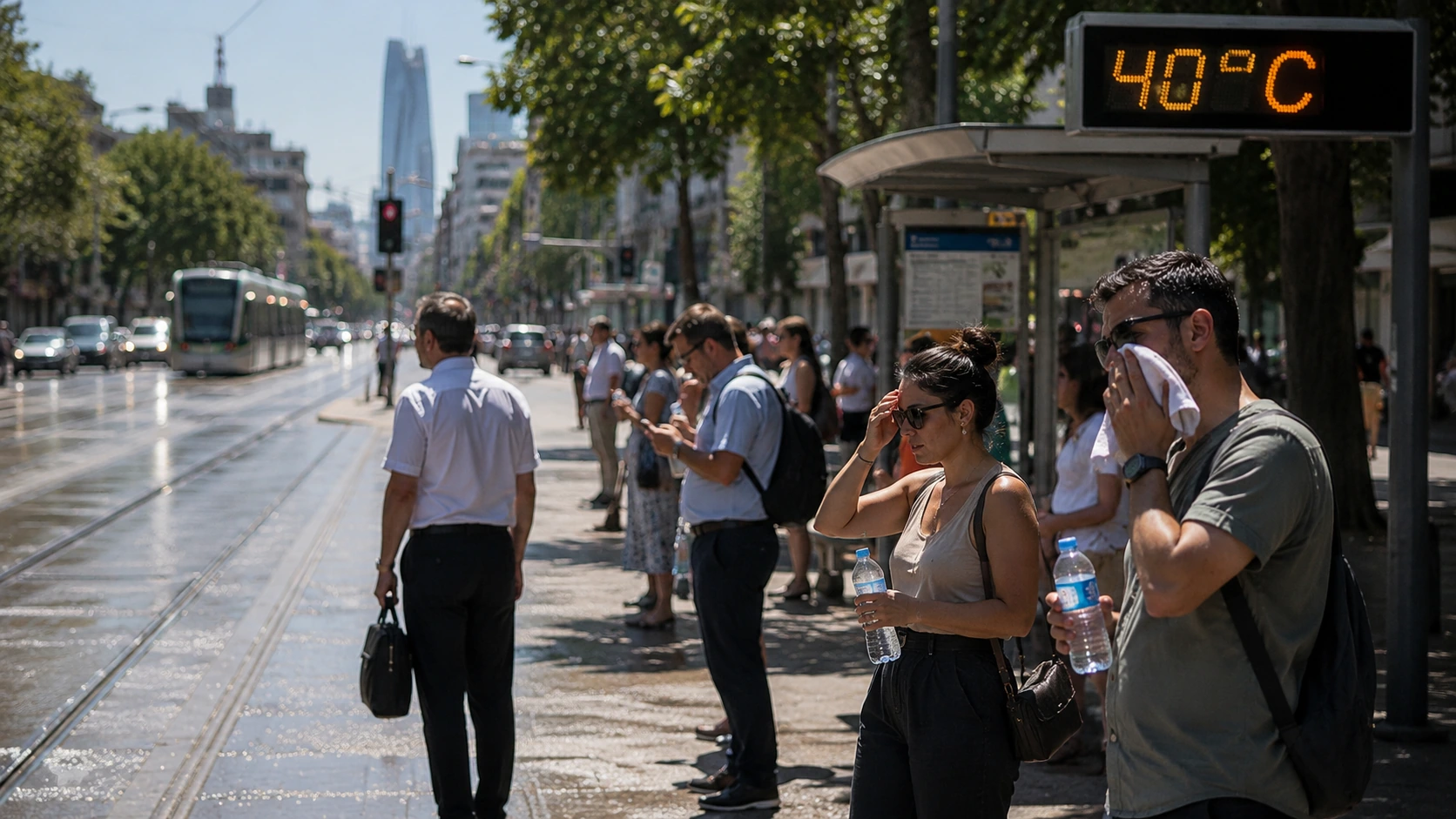
Extreme heat does not only affect vacations and sports. It affects work.
Outdoor workers are among the most exposed: construction workers, farmers, delivery riders, road crews, utility workers, event staff, security teams, cleaners, airport ground crews, firefighters and many others. But indoor workers can also suffer if buildings are poorly cooled or ventilated. Warehouses, kitchens, factories, public transport vehicles and small shops can become dangerously hot.
Heat reduces productivity. People move more slowly, need more breaks and make more mistakes. Physical labor becomes harder. Concentration declines. Accidents become more likely. In extreme cases, work must stop entirely.
This creates economic consequences. Construction projects may be delayed. Agricultural yields may decline. Food prices may rise. Delivery systems may slow. Tourism workers may face longer, more stressful days. Energy demand may surge. Insurance costs may increase. Infrastructure repairs may become more frequent.
The economic impact is not evenly distributed. Workers with laptops and flexible schedules can shift hours or work from cooled rooms. Manual workers often cannot. Wealthier companies can invest in cooling, protective equipment and schedule changes. Smaller businesses may struggle. Informal workers may have little protection at all.
Heat also challenges the traditional workday. In some hot regions, cultures already adapted with early starts, long midday breaks and evening activity. As heat expands, more places may need similar patterns. Construction could begin earlier. Deliveries could avoid peak heat. Outdoor events could move to evenings. Schools may adjust schedules during heatwaves. Office dress codes may become lighter. Remote work may become a heat adaptation tool.
But shifting schedules is not simple. It affects childcare, transport, noise rules, labor contracts and business hours. A city cannot adapt one workplace at a time. It needs coordinated planning.
There is also the question of legal protection. Should workers have the right to stop work during dangerous heat? Should employers be required to provide shade, water, rest and training? Should governments set maximum heat exposure rules? These debates will become more urgent.
The future economy will reward heat resilience. Companies that protect workers, manage energy intelligently and design heat-safe operations will be more stable. Cities that remain functional during heatwaves will attract investment. Tourist destinations that protect visitors and staff will preserve their reputation. Sports organizations that take heat seriously will avoid crises.
Ignoring heat may become expensive. A business that loses workers to illness, cancels events, faces lawsuits or suffers repeated disruptions will eventually pay the price. Climate adaptation is often presented as a cost, but in many cases it is risk management.
Heat also affects consumption. People change what they buy, where they go and how they spend time. Shopping malls may become cooling refuges. Evening entertainment may grow. Outdoor dining may decline at peak heat but expand at night. Demand for cooling products, breathable clothing, water bottles, fans, blinds, insulation and travel flexibility may rise.
Energy systems are central. Air conditioning saves lives, but if millions of units run at once, electricity demand can peak sharply. Power grids must be prepared. Renewable energy, storage, efficient cooling, district cooling and smart demand management will become important. Poorly managed cooling can create a vicious cycle: more heat leads to more air conditioning, which increases energy demand and waste heat, which worsens the problem if the energy system is not clean and efficient.
The economy of the future will not be judged only by growth. It will be judged by whether it can function in a hotter climate.
7. The New Geography of Desirable Places
For a long time, climate comfort was not always central to global migration, tourism and real estate decisions. People moved for jobs, family, culture, taxes, safety, lifestyle and affordability. Weather mattered, but often as a preference: more sun, less rain, warmer winters.
Now climate comfort is becoming more strategic.
Some places that were once considered ideal because of warm weather may become less comfortable during summer. Other places that were once considered too cool, too cloudy or too remote may become more desirable. This does not mean cold places will automatically become paradise. Climate change brings storms, floods, ecosystem disruption and unpredictability too. But relative heat comfort may influence decisions more than before.
This shift could affect real estate. Homes with shade, insulation, cross-ventilation, efficient cooling, access to water and green surroundings may become more valuable. Top-floor apartments without cooling may become less attractive. Neighborhoods with trees and parks may command higher prices. Rural and mountain areas may gain appeal, especially if they remain connected by digital infrastructure.
In tourism, the same logic applies. A destination that can offer comfortable summer temperatures, nature, safety and good infrastructure may rise in popularity. The traditional map of summer travel may stretch northward and upward: north to cooler latitudes, upward to higher elevations.
This may benefit some regions economically. But it can also create pressure. Small towns may face overtourism. Housing prices may rise for locals. Natural areas may suffer from increased foot traffic. Water systems may be strained. The “coolcation” trend must be managed carefully to avoid repeating the mistakes of mass tourism.
There is also a cultural dimension. Summer identity is deeply rooted in many places. Southern Europe’s outdoor life, evening promenades, festivals, beaches and plazas are part of its charm. Extreme heat does not erase that culture, but it may shift its rhythm. The day may become quieter, the evening more important. Tourism may become more seasonal across spring and autumn rather than concentrated in July and August. Night markets, late museum hours and evening public transport may become more valuable.
Cities that adapt culturally as well as physically will do better. Climate adaptation is not only engineering. It is lifestyle design. It asks: when do people gather? Where do children play? How do elderly residents shop? When do tourists visit monuments? How do restaurants use outdoor space? How does a city remain alive when the afternoon is too hot?
The new geography of desirable places will be shaped by comfort, resilience and trust. People will choose places where they believe they can function safely. A beautiful destination that repeatedly appears in headlines for heat deaths, wildfires or water shortages may face reputational damage. A less famous destination that offers comfort and reliability may gain attention.
This could make travel more diverse. Instead of everyone chasing the same hot beaches, travelers may explore forests, lakes, mountains, northern coastlines and smaller cities. That could be positive if managed sustainably. It could spread economic benefits and reduce pressure on overcrowded hotspots.
But climate-driven travel also raises ethical questions. Wealthy travelers can escape heat. Poor residents often cannot. A tourist can leave an overheated city after a weekend; local workers must remain. A remote worker can relocate to a cooler region; a farmer cannot move their land. The ability to choose climate comfort is a privilege.
That is why adaptation cannot be only a consumer trend. It must also protect the people who live and work in hot places year-round.
8. Food, Water and the Hidden Heat Chain
Extreme heat affects daily life in ways that are not always visible. One of the most important is the food and water system.
Crops are sensitive to heat. High temperatures can reduce yields, especially when combined with drought. Plants may grow less efficiently, flowers may fail to pollinate, soil moisture may decline and irrigation demand may rise. Heat can affect wheat, maize, rice, fruit, vegetables, olives, grapes and many other crops. Livestock also suffer. Animals exposed to heat stress may eat less, produce less milk, grow more slowly or face higher mortality.
This matters for consumers because food systems are global. A heatwave in one region can affect prices elsewhere. If several major agricultural regions face heat stress at the same time, markets become more vulnerable. Food inflation can follow climate shocks, and poorer households feel it first.
Water is equally important. Heat increases demand for drinking, irrigation, cooling, cleaning and recreation. At the same time, drought can reduce supply. Rivers may run lower. Reservoirs may shrink. Groundwater may be stressed. Hydropower can decline. Water quality can worsen as warmer temperatures encourage algal blooms or concentrate pollutants.
Tourism depends heavily on water. Hotels, pools, golf courses, cruise ships, restaurants and visitors all increase demand, often during the driest season. In destinations already facing water stress, this can create tension between tourists, residents, farmers and ecosystems. A resort may promise comfort, but the surrounding region may struggle with scarcity.
Extreme heat also affects food safety. Higher temperatures can increase the risk of spoilage if cold chains fail. Outdoor markets, festivals and events need careful handling. Power outages during heatwaves can threaten refrigeration. Restaurants and hotels must plan for heat-safe storage and preparation.
The “hidden heat chain” extends into transport. Roads, railways, ports and airports move food and goods. Heat can damage infrastructure, delay shipping and increase costs. If rivers become too low for transport or rail tracks buckle, supply chains suffer.
This is why extreme heat is not just a weather story. It is a systems story. The food on a plate, the water in a glass, the electricity powering a fridge, the worker harvesting a field and the truck delivering goods are all connected to climate conditions.
In the future, food and water resilience will become part of national security. Countries and cities will need better forecasting, diversified supply chains, drought planning, efficient irrigation, heat-resistant crops, reduced food waste and stronger local systems. Consumers may also adapt by eating more seasonal foods, reducing waste and supporting farming practices that build soil health and water retention.
Wine regions offer one visible example of climate pressure. Grapes are highly sensitive to temperature. As regions warm, harvest dates shift, alcohol levels change and some grape varieties become harder to grow in traditional areas. At the same time, cooler regions may become more suitable for wine production. The map of taste itself may change.
Olive oil, coffee, chocolate and many fruits also face climate pressures. These are not luxuries in a cultural sense; they are part of daily life, trade and identity. Heat can reshape what regions produce and what consumers consider normal.
The hidden heat chain reminds us that adaptation cannot be limited to cities and sports. It must include farms, water systems, logistics, trade and household budgets.
9. Technology Can Help, But It Cannot Replace Shade
Technology will play a major role in heat adaptation. Better forecasts can warn people earlier. Satellite data can identify heat islands. Sensors can measure street-level temperatures. Apps can recommend cooler walking routes. Artificial intelligence can help cities decide where to plant trees, install shade or prioritize building upgrades. Smart grids can manage electricity demand. Wearable devices can warn workers or athletes when heat stress becomes dangerous.
These tools are valuable. They can save lives and improve planning. But technology must not become an excuse to ignore simple physical solutions.
A heat app does not cool a street. A satellite map does not shade a bus stop. A warning message does not help a person who has no cool place to go. Data is powerful only when it leads to action.
The best heat adaptation combines high-tech intelligence with low-tech design. Trees, awnings, shutters, reflective roofs, drinking fountains, insulation, ventilation, shaded courtyards, public pools and parks are not futuristic, but they work. Many traditional cultures already understood heat adaptation before modern air conditioning existed. Narrow streets, thick walls, inner courtyards, white surfaces, siestas, fountains and evening social life were practical responses to hot climates.
Modern cities can learn from both science and tradition. The mistake of the 20th century was often to design buildings and streets as if cheap energy could solve everything. Glass towers, dark roads, car-dependent suburbs and sealed buildings created environments that rely heavily on mechanical cooling. In a hotter world, that approach is fragile.
Passive cooling should return to the center of design. Buildings can be oriented to reduce heat gain. Windows can be shaded. Materials can reflect heat. Natural ventilation can be improved. Courtyards can create cooler microclimates. Vegetation can protect walls and streets. Public spaces can be designed for summer comfort.
Technology can help optimize these choices. Urban heat maps can show which neighborhoods need urgent intervention. Digital twins can simulate cooling strategies before construction. AI can analyze tree canopy, surface materials and vulnerable populations. Weather forecasts can trigger automatic public alerts. But the final goal remains physical: cooler homes, safer streets and healthier people.
There is also a risk of unequal technology. Wealthy districts may receive smart cooling systems while poorer areas remain exposed. Private apps may serve tourists better than residents. Expensive green buildings may protect a minority while older housing overheats. Heat adaptation must be judged by who benefits.
Air conditioning is the most complicated technology in this story. It is life-saving during extreme heat and essential in many regions. But it is also energy-intensive, expensive for low-income households and capable of increasing outdoor heat if poorly managed. The answer is not to reject air conditioning, but to use it wisely: efficient units, clean electricity, better insulation, public cooling centers and designs that reduce the need for constant mechanical cooling.
A city that relies only on air conditioning is vulnerable. A city that combines efficient cooling with shade, greenery, building design and social planning is more resilient.
The future will not be won by technology alone. It will be won by intelligent combinations of technology, nature and public care.
10. Extreme Heat as an Inequality Mirror
One of the hardest truths about extreme heat is that it does not affect everyone equally. It acts like a mirror, reflecting existing inequalities in housing, income, health, age, race, labor and geography.
A heatwave may cover an entire city, but risk is concentrated. People in well-insulated homes with air conditioning experience inconvenience. People in overcrowded apartments without cooling experience danger. Office workers may complain about commuting. Road workers may risk heat exhaustion. Tourists may change plans. Homeless people may have nowhere to escape. Elderly people living alone may not receive help in time.
Neighborhood design matters. Low-income areas often have fewer trees, more industrial surfaces, wider roads, older buildings and less access to parks. These areas can be hotter than wealthier neighborhoods. The result is thermal inequality: some people live in cooler microclimates, while others live in heat traps.
Healthcare access matters too. People with chronic conditions need medical advice, medication management and emergency support. But the people most at risk may have the least access to care. Language barriers, disability, social isolation and distrust of authorities can make warnings less effective.
Work status matters. A salaried employee may work from home during a heat alert. A delivery rider, farmworker or street vendor may lose income if they stop. Without labor protections, “personal responsibility” becomes an unfair phrase. People cannot protect themselves if protection means losing wages.
Age matters. Older adults may have reduced ability to regulate body temperature. They may also be less likely to use air conditioning because of cost or habit. Children are vulnerable because their bodies regulate heat differently and because they depend on adults to manage risk. Schools and playgrounds must therefore be part of heat planning.
Gender can matter. Pregnant women face specific risks. Care responsibilities often fall disproportionately on women, who may need to look after children, elderly relatives or sick family members during heatwaves. In some regions, women may also have less access to cooling spaces or transport.
Migration status can matter. New arrivals may not understand local heat warnings, may work in insecure jobs or may live in poor housing. Tourists also may not recognize local risks, especially if they come from cooler climates.
Extreme heat therefore challenges the idea that climate adaptation is only about infrastructure. It is also about fairness. Who gets shade first? Who receives building upgrades? Who is checked on during heatwaves? Who can afford cooling? Who has the right to rest? Who is expected to keep working?
The most ethical heat policies focus on the most vulnerable first. Mapping heat risk should include social vulnerability, not just temperature. Cooling centers should be accessible by public transport. Warnings should be multilingual. Schools, care homes and hospitals should have specific plans. Worker protections should be enforceable. Tree planting should prioritize the hottest streets, not just the most visible parks.
This is not charity. It is smart resilience. A city is only as safe as its most vulnerable residents. When vulnerable groups are protected, the whole city functions better. Emergency rooms face less pressure. Workers remain healthier. Social trust improves. Public spaces remain usable.
Extreme heat may be one of the clearest examples of why climate policy and social policy cannot be separated.
11. What Travelers Should Do Differently in 2026 and Beyond
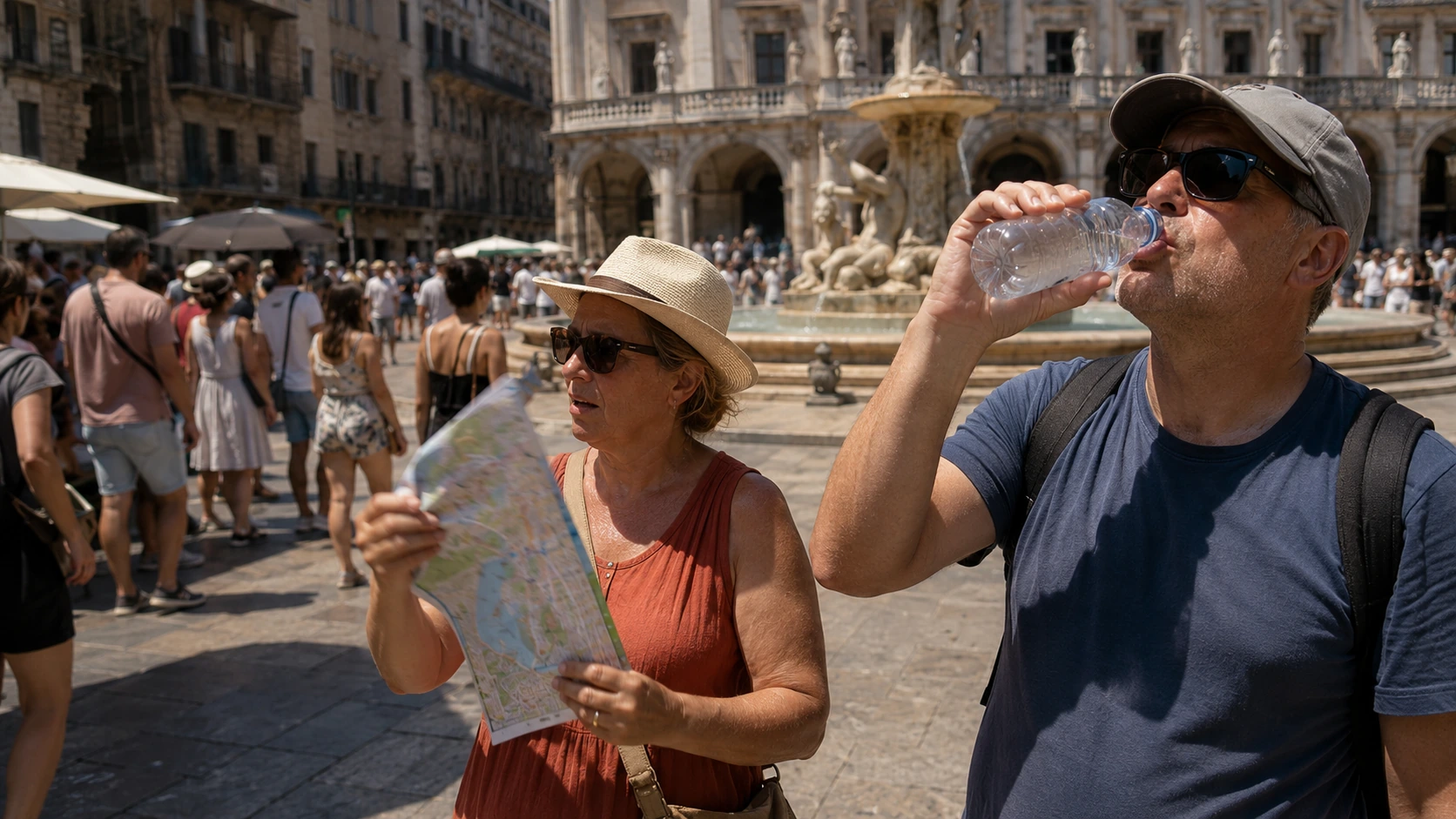
For individual travelers, the rise of extreme heat does not mean staying home forever. It means traveling more intelligently.
The first step is choosing timing carefully. Peak summer may no longer be the best time for many destinations, especially cities known for high temperatures. Spring and autumn can offer better weather, fewer crowds and lower stress. For southern Europe, late April to June and September to October may become increasingly attractive. For hot inland cities, even early morning and evening planning can make a major difference.
The second step is researching heat risk before booking. Travelers often check flight prices, hotel ratings and restaurant recommendations, but they should also check typical temperatures, humidity, wildfire risk, water restrictions and local heat plans. A destination’s climate comfort should be part of the decision.
Accommodation matters. Travelers should confirm whether air conditioning is available, reliable and included in the price. They should look at building type, floor level, shade, ventilation and reviews during summer months. A beautiful room can become a problem if it overheats.
Daily schedules should change. Sightseeing during peak afternoon heat is often unnecessary and sometimes unsafe. Early mornings are better for walking, monuments and outdoor photography. Afternoons can be used for museums, rest, shaded cafés or indoor attractions. Evenings can become the main time for exploring.
Hydration is essential, but it should not be reduced to “drink more water.” Travelers should also replace salts if sweating heavily, avoid excessive alcohol during heat, eat lighter meals when needed and recognize early symptoms of heat stress. Carrying a refillable bottle is useful only if refill points exist, so knowing where water is available matters.
Clothing should be practical. Light, breathable fabrics, hats, sunglasses and comfortable shoes can make a major difference. Sunscreen protects skin but does not prevent overheating. Shade and rest are still necessary.
Travelers should be realistic about children and older relatives. A walking-heavy itinerary that seems exciting online may be too much during a heatwave. Slower travel is safer and often more enjoyable.
Insurance and flexibility are increasingly important. Heatwaves, wildfires and transport disruptions can change plans. Flexible bookings reduce stress. Travelers should know cancellation policies and emergency contacts.
It is also wise to respect local communities. During heatwaves, tourists may compete with residents for water, transport and medical services. Responsible travel means following local guidance, avoiding waste, not entering closed natural areas and understanding that staff working in hotels, restaurants and attractions are also dealing with heat.
Finally, travelers should consider alternative destinations. A cooler holiday is not a downgrade. A lake in Finland, a coastal town in northern Spain, a mountain village in Slovenia, a forest retreat in Sweden, a Scottish island, an Irish walking route or a Canadian national park can offer memorable summer experiences without extreme heat stress.
The future of travel may be less about chasing the hottest place and more about finding the right climate for the right experience.
12. What Cities Should Do Now
Cities cannot wait for perfect certainty. Extreme heat is already here, and the solutions are known.
The first priority is heat mapping. Cities need to know which neighborhoods, streets, schools, care homes, hospitals, transport stops and workplaces are hottest. They also need to know where vulnerable people live. Temperature data without social data is incomplete.
The second priority is early warning. Heat alerts should be clear, practical and targeted. People need to know not only that it will be hot, but what actions to take, where to go and who to contact. Warnings should reach elderly residents, migrants, tourists, schools, employers and healthcare providers.
The third priority is cooling centers and cool public spaces. Libraries, community centers, malls, schools or public buildings can become safe places during heatwaves. But they must be accessible, welcoming and well-publicized. A cooling center that people cannot reach or do not know about is not enough.
The fourth priority is shade. Every bus stop, playground, public square and major walking route should be evaluated for shade. Temporary shade can help quickly. Permanent shade through trees and structures should be part of long-term planning.
The fifth priority is housing. Cities should support retrofits that reduce indoor overheating: insulation, shutters, reflective roofs, ventilation, safe electrical systems and efficient cooling. Rental housing needs special attention because tenants often lack control over improvements.
The sixth priority is worker protection. Cities and national governments should create clear heat rules for outdoor labor and event work: water, rest, shade, training, emergency procedures and the right to stop dangerous work.
The seventh priority is green infrastructure. Parks, trees, green roofs, restored waterways and permeable surfaces reduce heat and improve quality of life. But green infrastructure must be maintained. Dead trees do not cool streets.
The eighth priority is transport resilience. Tracks, roads, vehicles and stations must be designed for higher temperatures. Public transport should remain safe during heatwaves because many vulnerable people depend on it.
The ninth priority is public culture. Cities should normalize heat-safe behavior. Just as people understand winter warnings, they should understand heat warnings. Schools, workplaces and media can help build this culture.
The tenth priority is accountability. Heat plans should be evaluated after each major event. How many people used cooling centers? Which neighborhoods had emergencies? Did warnings reach the right people? What failed? What improved? Adaptation is a learning process.
A city that prepares for heat becomes better in many ways. More trees, better housing, shaded streets, cleaner air, safer public spaces and stronger community networks improve life even when there is no heatwave.
Heat adaptation is not only defense. It is an opportunity to build more humane cities.
13. The Cultural Meaning of Heat
Extreme heat is changing not only infrastructure and travel, but also culture.
Summer has long been associated with freedom, youth, festivals, beaches, romance and outdoor life. Songs, movies and advertisements sell summer as a season of pleasure. But as heat becomes more dangerous, culture may become more ambivalent. Summer can still be beautiful, but it can also be stressful, expensive and risky.
This emotional shift matters. People do not experience climate change only through data. They experience it through missed sleep, canceled plans, closed parks, smoky skies, anxious relatives, uncomfortable apartments and holidays that feel harder than expected. Climate change becomes real when familiar pleasures change.
Festivals may move later into the evening. Outdoor dining may require more shade. Wedding seasons may shift. School calendars may be debated. Fashion may prioritize breathable materials. Architecture may rediscover shutters, courtyards and verandas. Cities may develop stronger night cultures as afternoons become less usable.
There may also be a revival of older heat wisdom. Many traditional societies already understood the importance of slowing down during the hottest hours, using shade, eating lighter meals, designing thick-walled buildings and gathering in the evening. Modern productivity culture often ignored this wisdom. A hotter world may force its return.
At the same time, there is a danger of normalizing danger. People may begin to accept extreme heat as simply “the new summer,” even when it causes preventable illness and death. Normalization can reduce urgency. Societies must learn to live with heat without becoming numb to it.
Language will matter. Calling every heatwave “nice weather” is misleading. Calling all sun “good weather” is outdated. Forecasts may need to communicate risk more clearly. Tourism marketing may need to become more honest. Sports commentary may need to treat heat as a serious condition, not just a dramatic backdrop.
Culture can help adaptation when it changes expectations. If people accept that midday rest is sensible, not lazy, health improves. If tourists accept that summer city breaks require slower schedules, trips become safer. If employers accept flexible hours during heatwaves, workers are protected. If fans accept evening matches as necessary, sports can adapt.
The cultural challenge is to preserve the joy of summer while respecting the danger of extreme heat.
14. The Future: Adaptation, Mitigation and a New Definition of Progress
The world now faces two tasks at once: reduce the causes of future warming and adapt to the heat already here.
Mitigation means cutting greenhouse gas emissions, transforming energy systems, improving efficiency, protecting forests, changing transport and reducing the human impact on the climate. Without mitigation, adaptation becomes harder and more expensive over time. There are limits to how much heat people, crops, ecosystems and infrastructure can tolerate.
Adaptation means preparing for the conditions that are already unavoidable. It includes heat-health plans, urban cooling, resilient buildings, smarter tourism, safer sports scheduling, worker protections, water management and emergency systems.
These two goals are often discussed separately, but they belong together. A city that plants trees adapts locally while also improving air quality and storing some carbon. A building that uses passive cooling reduces heat risk and energy demand. A transport system that is cleaner and more reliable reduces emissions and helps people reach cooling spaces. Good climate policy often does several things at once.
The new definition of progress may be different from the old one. In the past, progress was often measured by speed, size, consumption and constant activity. Bigger airports, taller buildings, longer tourist seasons, more events, more roads, more air conditioning, more growth. In a hotter world, progress may mean resilience, comfort, health and balance.
A progressive city is not only one with skyscrapers. It is one where a child can walk to school under shade. A progressive sports tournament is not only one with global sponsors. It is one that protects players and workers. A progressive tourist destination is not only one that attracts millions. It is one that remains livable for residents. A progressive economy is not only one that grows. It is one that can keep people safe during climate stress.
Extreme heat forces humility. It reminds modern societies that nature is not a background decoration. Climate conditions shape what is possible. Human systems must respect physical limits.
But humility is not hopelessness. Many solutions already exist. Cities can cool streets. Buildings can be improved. Workplaces can protect people. Sports can change schedules. Travelers can make smarter choices. Governments can plan. Communities can check on vulnerable neighbors. Technology can support action. Culture can adapt.
The future will be hotter, but it does not have to be crueler. The difference will be preparation.
Heat Is Rewriting the Rules
Extreme heat is changing the world because it touches everything: travel, sports, cities, health, work, food, water, culture and inequality. It changes the way people move, rest, build, play and dream. It challenges the assumption that modern life can continue on old schedules in a new climate.
In 2026, the signs are everywhere. Tourists are rethinking summer destinations. Major sports events are facing heat safety questions. Cities are mapping hot streets and searching for shade. Health authorities are warning that heatwaves are not just uncomfortable but deadly. Workers are demanding protection. Families are changing daily routines. The meaning of a “good summer” is evolving.
The most important lesson is simple: heat must be planned for before it becomes an emergency.
A hotter world requires cooler thinking. It requires cities designed for bodies, not just cars and buildings. It requires tourism that values comfort and sustainability, not only sunshine. It requires sports organizations that respect medical science. It requires employers who understand that productivity cannot come at the cost of health. It requires governments that protect the vulnerable. It requires individuals who take heat seriously without giving up the pleasures of life.
Extreme heat is not the end of travel, sport or urban life. But it is the end of pretending that climate is someone else’s problem.
The world is being rewritten by heat. The question now is whether we rewrite our systems fast enough to live well within it.