


Halloween 2026 Is Getting Bigger: The Rise of Halloweenmas, AI and Gothic Decor
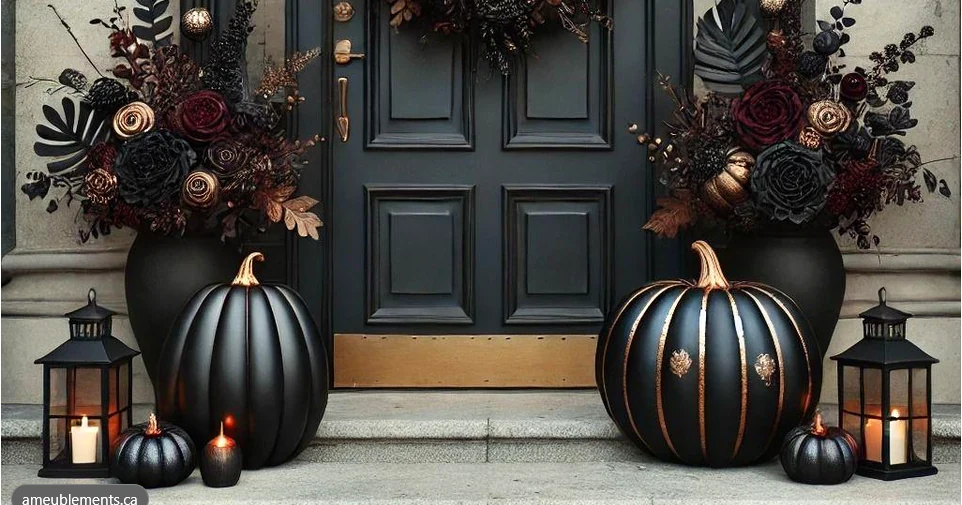
Halloween Is No Longer Just One Night
For generations, Halloween was primarily associated with October 31. Children dressed up, neighbors handed out candy, families carved pumpkins, and adults attended costume parties. Once the night was over, decorations usually disappeared until the following year.
That familiar pattern is changing.
In many households, Halloween preparations now begin weeks before the actual holiday. Shops introduce seasonal collections earlier, social media fills with autumn-inspired interiors, and people increasingly treat October as a dedicated period for creative projects, themed entertainment and social gatherings.
The growing popularity of Halloween is reflected in consumer research. According to the National Retail Federation's 2026 survey, 74% of American consumers planned to celebrate Halloween, while expected spending was projected to reach $13.5 billion. Nearly half of respondents said they began shopping in September or earlier.
The change also reflects a broader desire to make ordinary parts of the year feel more special. Decorating a living room, organizing a themed dinner or watching horror films with friends can turn an entire month into an experience.
For retailers, creators and entertainment companies, this extended season provides more opportunities to connect with audiences. For consumers, it offers more time to experiment with traditions and create their own versions of Halloween.
But one emerging term captures this transformation particularly well: Halloweenmas.
What Is Halloweenmas? The Trend Turning October Into a Celebration Season

Halloweenmas describes the growing practice of extending Halloween across much of October, borrowing some of the traditions normally associated with the Christmas season.
Think of decorated trees covered in miniature pumpkins, spooky wreaths hanging on front doors, countdown calendars, themed dinner parties and homes transformed into atmospheric autumn spaces.
The concept recently received wider attention through a report published by The Guardian on October 11, 2026, which described how Halloween celebrations are evolving into a month-long spectacle. The article highlighted Halloween trees, decorative accessories and the growing appeal of themed activities throughout October.
The appeal is easy to understand. Christmas enthusiasts often enjoy the anticipation almost as much as the holiday itself. Decorations, music, seasonal food and shared rituals help create a distinctive atmosphere long before December 25.
Halloweenmas applies a similar idea to autumn.
Instead of waiting until October 31, people can gradually build the atmosphere throughout the month. One weekend might involve decorating the home, another could feature a horror movie marathon, and the final days might be reserved for costumes and a party.
Social media also makes these activities easier to discover and share. A carefully decorated entrance or a creative Halloween tree can become part of a person's seasonal content, inspiring others to try similar ideas.
However, Halloweenmas does not necessarily mean that everyone wants a bigger or more expensive celebration. Some people simply prefer to spread preparations across several weeks rather than completing everything at once.
That distinction matters because the trend combines two different motivations: the enjoyment of seasonal creativity and the commercial opportunity to sell more products.
Why Halloweenmas Is Appealing to Consumers
There are several reasons why a longer Halloween season makes sense.
First, it creates more opportunities for social activities. Friends can organize multiple gatherings instead of trying to fit everything into one night.
Second, decorating becomes a creative hobby. People can experiment with lighting, handmade ornaments, autumn flowers and reusable accessories.
Third, spreading purchases across several weeks may help some households manage their budgets. The National Retail Federation reports that consumers are increasingly looking for value and considering reusable products as they prepare for Halloween.
Finally, a month-long celebration offers something to look forward to during the transition from summer to winter. As the days grow shorter, seasonal lighting, warm interiors and autumn activities can make everyday life feel more inviting.
Halloweenmas may not replace traditional Halloween, but it demonstrates how a familiar holiday can evolve into a broader lifestyle phenomenon.
Gothic Halloween: The Rise of Dark, Elegant Decorations

One of the most interesting visual developments for Halloween 2026 is the growing interest in more sophisticated, atmospheric decorations.
Traditional orange pumpkins and plastic skeletons remain recognizable symbols of the holiday, but there is also room for a darker and more elegant approach. Deep burgundy, aubergine, black, antique silver and muted natural colors are becoming important elements of Halloween-inspired interiors.
A report published by Better Homes & Gardens on October 17, 2026, explored decorating ideas identified by interior designers for this year's Halloween season. The featured ideas included gothic aesthetics, Victorian-inspired accessories, dark florals, monochromatic schemes and natural materials.
Rather than transforming an entire home into a haunted house, people can create a seasonal atmosphere through relatively small changes. A few dark candle holders, a vase of dried flowers, decorative pumpkins and warm lighting can make a room feel different without requiring a complete makeover.
The Colors Defining Gothic Halloween


Several color combinations are particularly suitable for this approach.
- Black and burgundy: A dramatic combination that creates a luxurious, theatrical atmosphere.
- Aubergine and plum: Deep purple tones that feel autumnal without relying on traditional Halloween orange.
- Black and antique gold: A classic pairing for vintage-inspired decorations and elegant dinner parties.
- Muted green and natural brown: Earthier shades that work with branches, dried flowers, wooden accessories and pumpkins.
These palettes are useful because many of the decorations can remain in place throughout autumn. A burgundy centerpiece or a collection of dark candle holders does not necessarily need to be packed away on November 1.
That flexibility could be one reason why sophisticated Halloween decorations appeal to people who want seasonal interiors without buying an entirely new collection every year.
Nature-Inspired Decorations and the Appeal of Reusable Design
Another interesting direction is the use of natural materials.
Pumpkins, bare branches, dried flowers, autumn leaves and handmade wreaths can produce striking results without relying entirely on disposable plastic decorations. The nature-inspired approach also allows people to combine Halloween with broader autumn styling.
For example, a simple arrangement of branches in a tall vase can become a dramatic centerpiece when paired with small pumpkins and warm LED lights. A wreath made from dried foliage can provide seasonal decoration without needing to be replaced immediately after Halloween.
There is an important practical consideration here: natural decorations should be kept away from open flames, and pumpkins left outdoors may deteriorate faster in warm or wet conditions.
The wider idea, however, is straightforward. Halloween decor does not have to be expensive or disposable to feel impressive.
How Artificial Intelligence Is Changing Halloween 2026
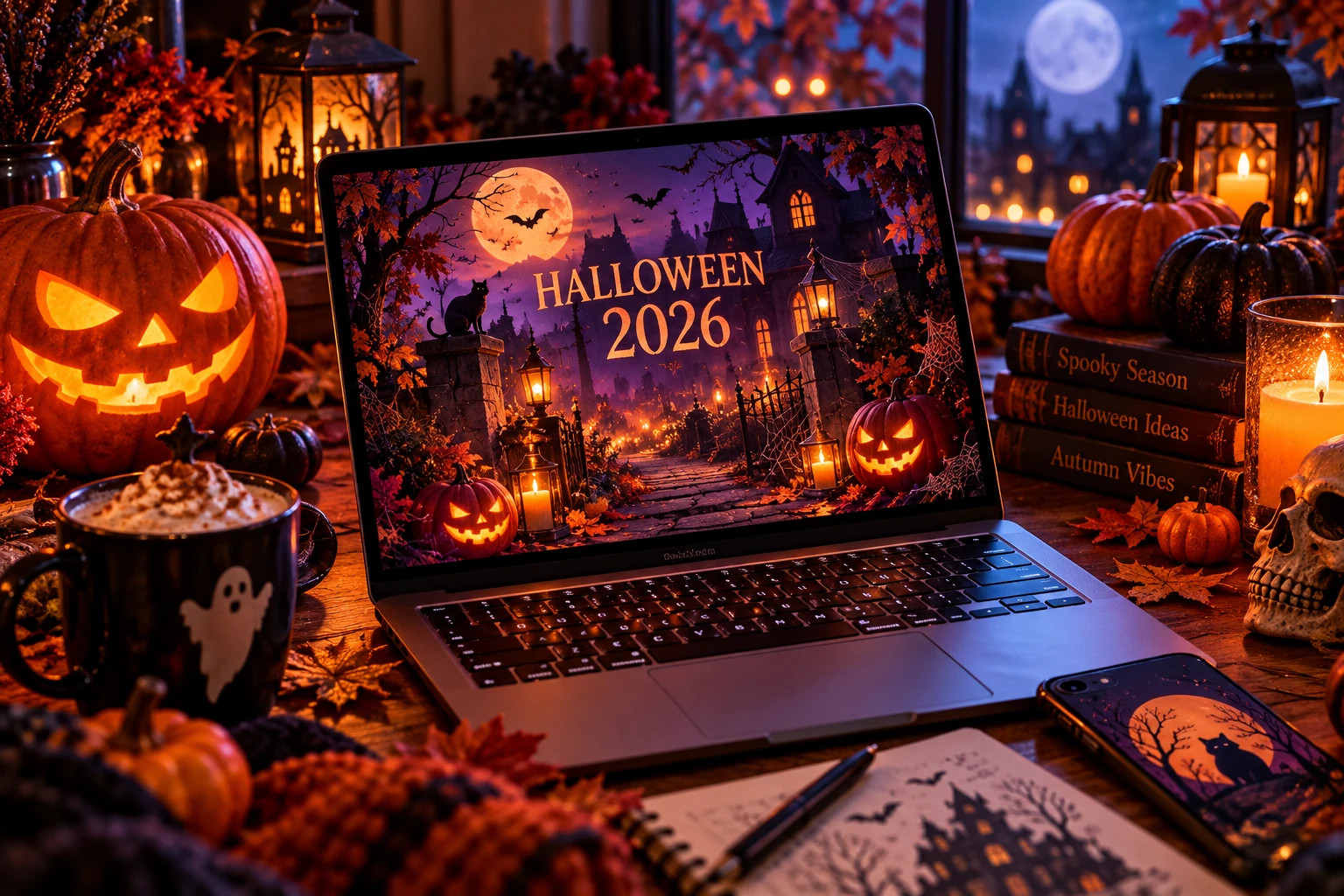
Artificial intelligence is becoming another part of the Halloween experience, from the first brainstorming session to the final decorations.
The National Retail Federation's 2026 Halloween consumer survey found that 47% of consumers were using AI tools or platforms to support their Halloween shopping. The reported uses included generating ideas during planning and obtaining recommendations while researching products.
This is an important development because Halloween involves many small creative decisions. What should a costume look like? How can an ordinary living room become a haunted setting? Which decorations work together? What should guests eat at a themed party?
AI tools can help people explore these questions quickly.
1. AI-Generated Costume Ideas
Someone who wants an original costume can describe a character, select a visual style and ask an AI tool to suggest clothing combinations or accessories.
For example, a person might request a Victorian vampire outfit that can be assembled using ordinary clothes, or a futuristic ghost costume made from inexpensive materials.
AI-generated concepts can also help couples and groups coordinate costumes without everyone dressing identically.
The important limitation is that an attractive digital concept does not guarantee that the costume will be practical or affordable. Materials, comfort, weather and the time available for preparation still matter.
2. Designing Decorations Before Buying Them
AI image generators can help visualize a room with different color schemes, lighting arrangements and Halloween accessories.
A homeowner could explore a gothic dining room, a minimalist black-and-white entrance or a family-friendly pumpkin display before deciding which elements to purchase.
This approach may also help reduce unnecessary spending. Instead of buying decorations impulsively, consumers can develop a plan and identify which items they actually need.
3. Planning Parties and Seasonal Menus
AI assistants can generate party themes, suggest food suitable for different age groups, create shopping lists and propose schedules for an evening.
They can also adapt ideas to a budget. A small gathering might focus on homemade snacks, a few reusable decorations and a horror movie screening rather than expensive costumes and elaborate props.
4. Creating Halloween Content for Social Media

Halloween is highly visual, making it particularly suitable for social media content.
Creators can use AI to brainstorm photography concepts, design invitations, develop short-video storyboards or explore ideas for seasonal graphics. Businesses can also experiment with campaign concepts before investing in professional production.
However, AI-generated images should be treated as creative material rather than evidence of real events. If an image depicts a fictional haunted location or an imaginary product, it should not be presented as a genuine photograph of something that exists.
The most effective approach is to combine AI's speed with human judgment, original ideas and practical experience.
The Business Behind Halloweenmas: Why the Season Keeps Expanding

The growing popularity of Halloween has implications far beyond costumes and candy.
For retailers, extending the season creates additional opportunities to sell decorations, clothing, confectionery, party supplies and themed gifts. For entertainment companies, it provides a reason to promote horror films, games and seasonal experiences. Restaurants and hospitality businesses can introduce special menus, themed events and limited-time offers.
The financial scale is substantial in the United States.
The National Retail Federation projects Halloween spending of $13.5 billion in 2026, compared with the previous year's record of $13.1 billion. Its survey also estimates average spending of $115.14 per person. These figures are forecasts based on consumer research, not a final accounting of money actually spent.
The data suggests that Halloween remains a major commercial event even as consumers pay attention to prices.
It also helps explain why seasonal products increasingly appear well before the holiday itself. When customers begin shopping in September or earlier, retailers have an incentive to introduce products in advance and keep them visible for longer.
Halloweenmas fits naturally into this commercial environment. A celebration that lasts several weeks creates more occasions for people to purchase decorations, organize gatherings and share seasonal experiences.
But the expansion raises an interesting question: does a longer Halloween season make the celebration more enjoyable, or does it simply encourage people to consume more?
The answer will vary between households.
For someone who enjoys decorating, the additional time can provide an opportunity for creativity and social connection. For someone who prefers a simple celebration, the same trend may feel like another commercial demand.
A balanced approach would focus on experiences rather than purchases. Handmade decorations, borrowed costumes, shared meals and free community events can all contribute to the atmosphere without requiring a large budget.
Can Halloweenmas Be More Sustainable?
The longer season also creates an opportunity to rethink how decorations are used.
Reusable ornaments, second-hand costumes, durable lighting and natural materials can help reduce the need to buy disposable products every October.
People can also choose decorations that transition easily from Halloween into the wider autumn season. Dried flowers, dark textiles, wooden accessories and neutral-colored pumpkins can remain useful after October 31.
This does not eliminate the environmental impact of seasonal shopping, but it offers a practical alternative to replacing everything every year.
For businesses, durable and reusable products may appeal to customers who want attractive decorations while managing costs. For consumers, buying fewer items and using them creatively can make Halloween both more personal and more economical.
What Is Trending for Halloween 2026? Google's Latest Search Data
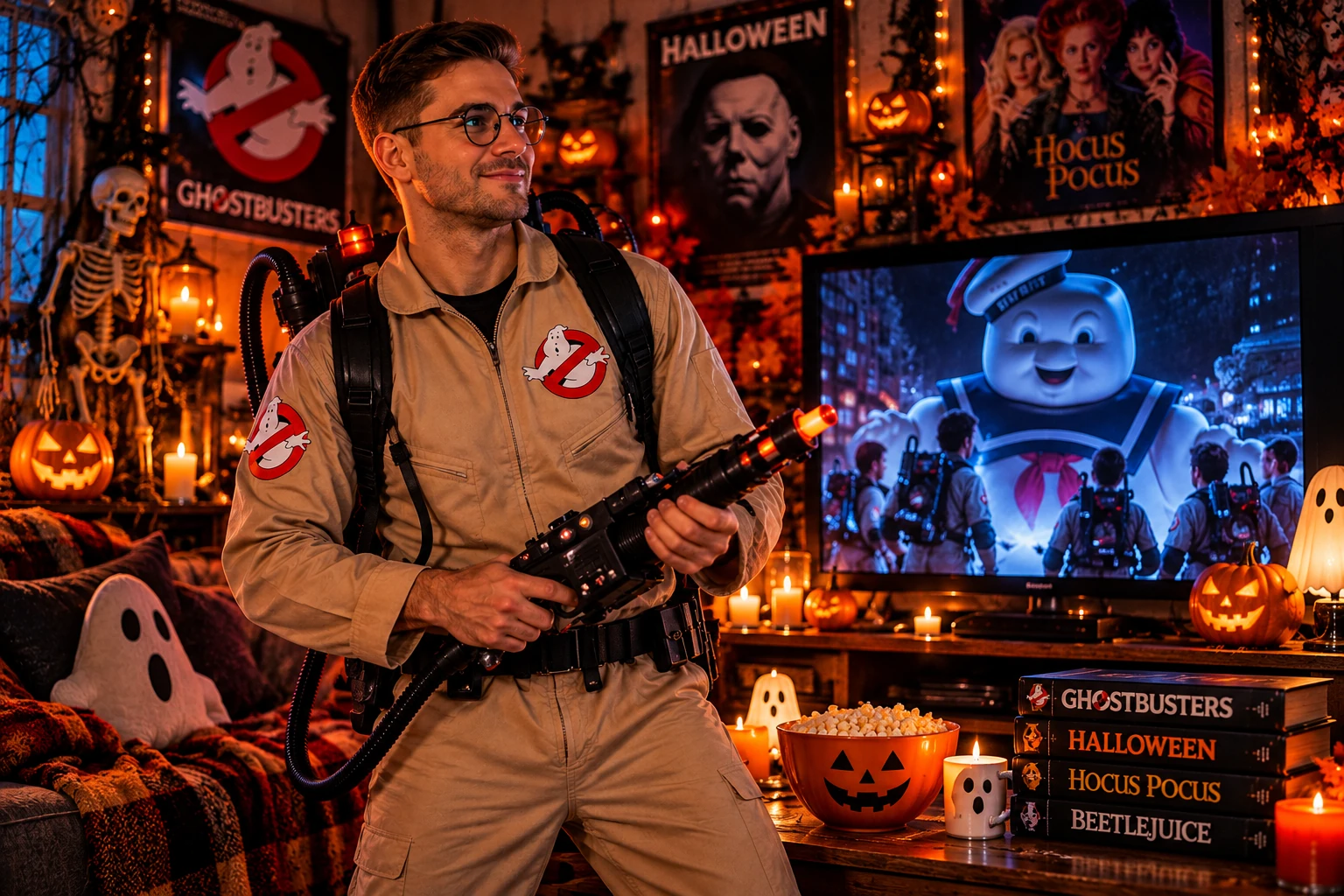
For anyone looking for inspiration, Google's annual Frightgeist project offers a useful snapshot of what people are searching for before Halloween.
In its October 14, 2026, update, Google highlighted costume ideas influenced by horror films, popular entertainment, internet culture and unexpected trends. The leading searches included Buddy the Unicorn, NeeDoh, Nikki from Obsession and Agamemnon from The Odyssey.
A film character can inspire a costume trend, while an unusual internet phenomenon can become a recognizable party outfit. The result is a mix of traditional spooky imagery and references that might have seemed unlikely a few years ago.
Google also identified several interesting trends beyond costumes:
- Witches' brew punch: A themed drink that combines visual presentation with a recognizable Halloween aesthetic.
- Bubbling cauldrons: Search interest in creating bubbling effects for spooky displays.
- Nostalgic Halloween movies: A continuing interest in revisiting familiar seasonal films.
- Gothic horror: A growing search category that fits naturally with the darker decorative styles popular this year.
These findings suggest that Halloween 2026 is not defined by a single dominant aesthetic. Instead, it brings together several different interests: nostalgia, horror, internet culture, creative costumes and atmospheric home design.
For consumers, this creates more opportunities to personalize the holiday. Rather than following one universal trend, people can choose the parts of Halloween that suit their interests.
Halloween Beyond the United States: What Could It Mean for Europe?

Although much of the available consumer research focuses on the United States, the broader idea of extending seasonal celebrations has potential relevance for European audiences.
Halloween traditions differ considerably across Europe. In some countries, costume parties and elaborate decorations are highly visible, while other places place greater emphasis on autumn festivals, local traditions or remembrance of the dead.
In Poland, for example, Halloween exists alongside All Saints' Day on November 1 and All Souls' Day on November 2. These dates have a different cultural and religious significance, and Halloweenmas should not be treated as a replacement for those traditions.
Nevertheless, there is room for Halloween-inspired activities to develop alongside existing autumn customs.
Cities with historic architecture could host themed walking tours, restaurants could introduce seasonal menus, and cultural venues could organize horror-film screenings or family-friendly creative workshops.
For travelers, October can also offer an opportunity to explore destinations through seasonal events rather than focusing exclusively on summer tourism.
The key distinction is that the growing popularity of Halloweenmas is a documented trend in some markets, particularly in British retail reporting, but it does not establish that every European country is experiencing the same level of growth. Local traditions, consumer preferences and commercial opportunities will shape how the idea develops.
Could Halloween Become Europe's Next Extended Seasonal Event?
It is possible, but several factors will influence its development.
The first is whether consumers genuinely enjoy celebrating throughout October. The second is whether retailers and entertainment venues can offer activities that justify a longer season. The third is whether the celebrations can coexist comfortably with local customs.
Social media could help spread decorative styles and party ideas across borders. AI tools could also make it easier for people to adapt international inspirations to their own homes, budgets and cultural preferences.
However, the future of Halloweenmas in Europe will depend on more than attractive photographs or a successful retail campaign. It will depend on whether people find the experience meaningful and enjoyable.
Will Halloweenmas Continue to Grow After 2026?

Several developments suggest that the idea has room to evolve.
First, Halloween already has an established audience in markets where costume parties, decorations and seasonal entertainment are popular. Extending the celebration gives people more opportunities to participate.
Second, home decoration has become a way for people to express their personalities. Halloweenmas adds another seasonal theme to that creative process.
Third, AI tools are making it easier to generate ideas, plan activities and explore different visual styles. The technology could lower the barrier to creating personalized decorations and costumes, although its long-term influence on Halloween spending remains uncertain.
Finally, the combination of seasonal entertainment and social media creates a natural incentive to share experiences throughout October rather than on a single evening.
There are also limits to consider.
A longer season could eventually lead to consumer fatigue, especially if decorations appear too early or stores repeatedly promote the same products. Household budgets may restrict spending, while concerns about waste could encourage more people to reuse existing decorations.
For these reasons, the future of Halloweenmas is unlikely to be determined by retail trends alone. Its success will also depend on whether people continue to find pleasure in the traditions themselves.
The most durable version of Halloweenmas may ultimately be the simplest: a few carefully chosen decorations, a favorite film, a gathering with friends and an opportunity to enjoy the atmosphere of autumn.
How to Celebrate Halloweenmas in 2026 Without Overspending
You do not need an expensive collection of decorations to participate in the trend. A few thoughtful choices can create an impressive atmosphere.

1. Create one striking centerpiece
Combine pumpkins, dried leaves and reusable candle holders instead of decorating every room.

2. Organize a Halloween movie night
Invite friends or family to watch horror classics or nostalgic Halloween films. Homemade snacks can keep costs low.

3. Try a themed recipe
Prepare simple snacks or a colorful nonalcoholic punch inspired by the witches' brew trend highlighted by Google.

4. Choose decorations you can reuse
A dark wreath, LED lights or neutral autumn accessories can work beyond Halloween itself.
The goal is not to spend the entire month buying things. It is to make the season feel special in a way that suits your home, budget and personal interests.
Halloween Is Becoming an Experience, Not Just a Holiday
Halloween 2026 reveals how a familiar celebration can evolve into something much broader.
The emergence of Halloweenmas reflects a growing interest in extending seasonal traditions throughout October. Gothic decorations are bringing a more sophisticated visual identity to Halloween, while AI tools are helping consumers explore creative ideas and plan celebrations. Meanwhile, Google's latest Frightgeist data demonstrates how popular culture continues to influence costumes, food and entertainment.
The commercial figures are also significant. With Halloween spending in the United States projected to reach $13.5 billion in 2026 and 74% of consumers planning to celebrate, the holiday remains an important part of the seasonal retail calendar.
Yet the most interesting aspect of Halloweenmas may not be the money involved. It is the transformation of a single date into a period of anticipation, creativity and shared experiences.
Whether that means decorating a tree with tiny pumpkins, creating a gothic-inspired living room, using AI to design a costume or simply watching a favorite horror film, the modern Halloween season offers more ways to participate than ever before.
Perhaps Halloweenmas is becoming popular for a simple reason: people do not always want to wait until one particular night to enjoy something they love.
And if this year's trends continue, October could become an increasingly important season for culture, design, entertainment and the way people express themselves.