


Why Gen Z Is Quitting Cities and Moving to Forgotten Towns

1. The City Myth Is Collapsing in Real Time
For more than a century, cities were marketed as the final destination of ambition.
Cities promised:
- Careers
- Freedom
- Identity
- Belonging
- Progress
For Gen Z, that promise collapsed faster than expected.
The 2026 Urban Reality
In most European capitals:
- Renting consumes half of a young adult’s income
- Apartments shrink while prices explode
- Public spaces feel overcrowded and hostile
- Job security is fragile
- Mental health crises are normalized
Cities no longer feel like engines of opportunity.
They feel like pressure systems.
And Gen Z refuses to live under constant pressure.
2. This Generation Grew Up Watching Burnout
Unlike previous generations, Gen Z had a front-row seat.
They watched millennials:
- Graduate into debt
- Compete endlessly
- Delay life milestones
- Burn out publicly
- Normalize anxiety and exhaustion
The lesson was clear.
Hard work alone does not guarantee stability.
Loyalty does not guarantee safety.
Cities do not guarantee success.
Gen Z learned early that the system is fragile — and planned accordingly.
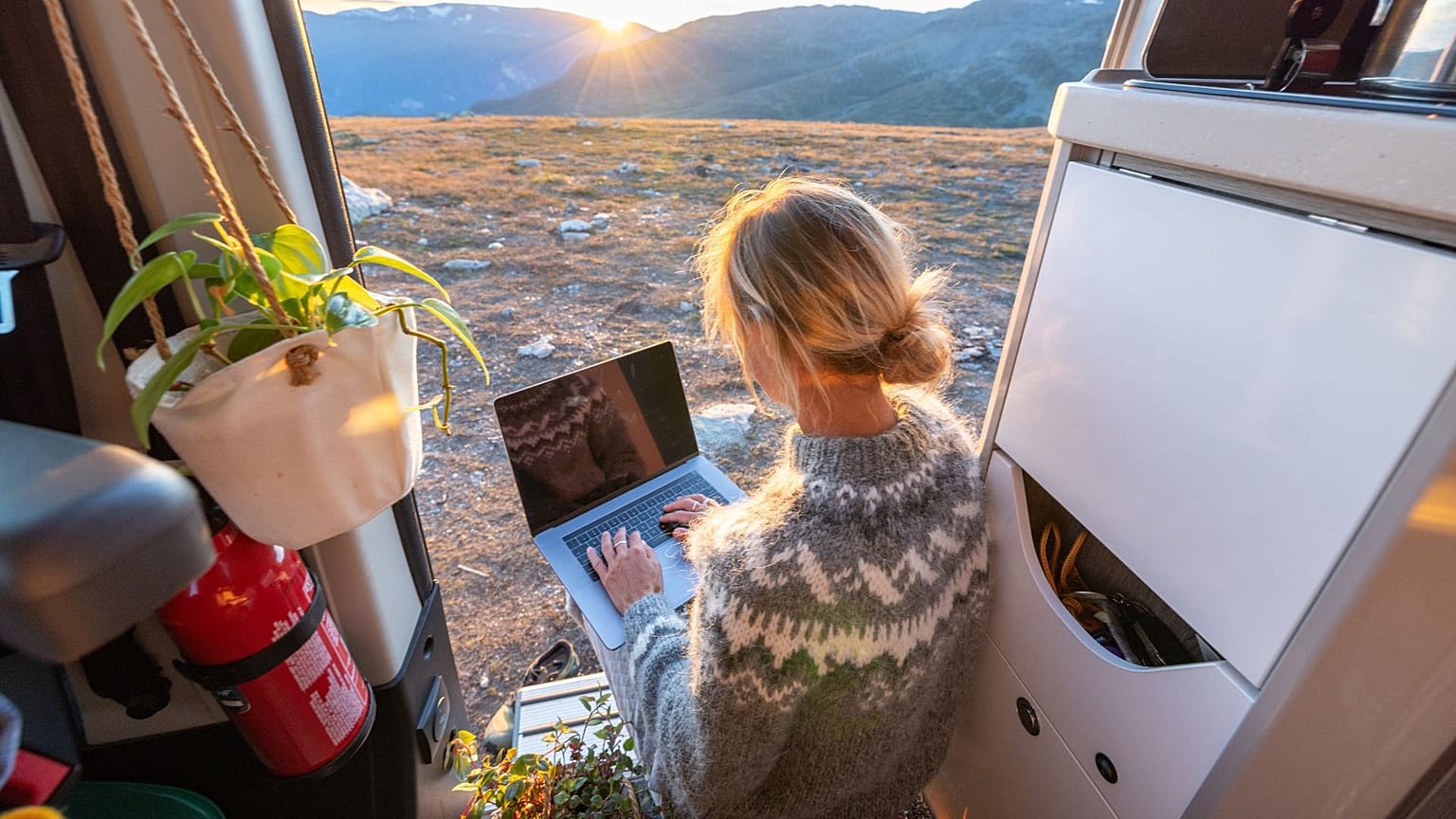
3. Remote Work Didn’t Liberate Workers — It Liberated Geography

Remote work changed everything — but not in the way corporations expected.
It didn’t just move offices online.
It broke the monopoly cities had on opportunity.
For Gen Z:
- Location-independent income is normal
- Freelancing is legitimate
- Online business is expected
- Physical proximity is optional
Once income stopped being tied to cities, the logic collapsed.
Why pay premium prices for access you no longer need?
4. Forgotten Towns Became Logical, Not Romantic
This is not a romantic escape to nature.
It is a rational decision.
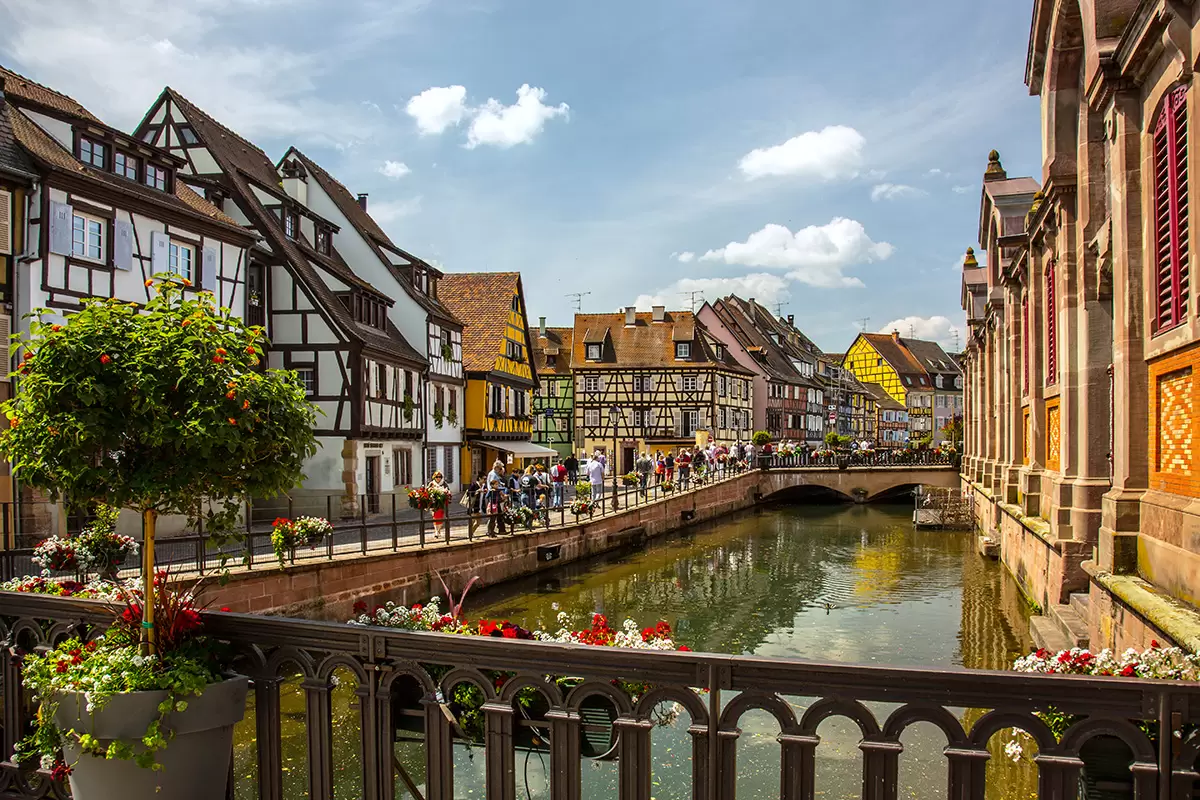
Forgotten towns offer:
- Affordable housing
- Walkable centers
- Silence and darkness at night
- Proximity to nature
- Human-scale living
Gen Z is not chasing aesthetic nostalgia.
They are optimizing life.
Luxury in 2026 is:
- Quiet mornings
- Predictable expenses
- Time autonomy
- Psychological safety
Cities stopped offering these things.
5. The Anti-Hustle Generation Rewrote Success

Hustle culture told people to sacrifice everything now.
Gen Z watched it fail.
Burnout became mainstream.
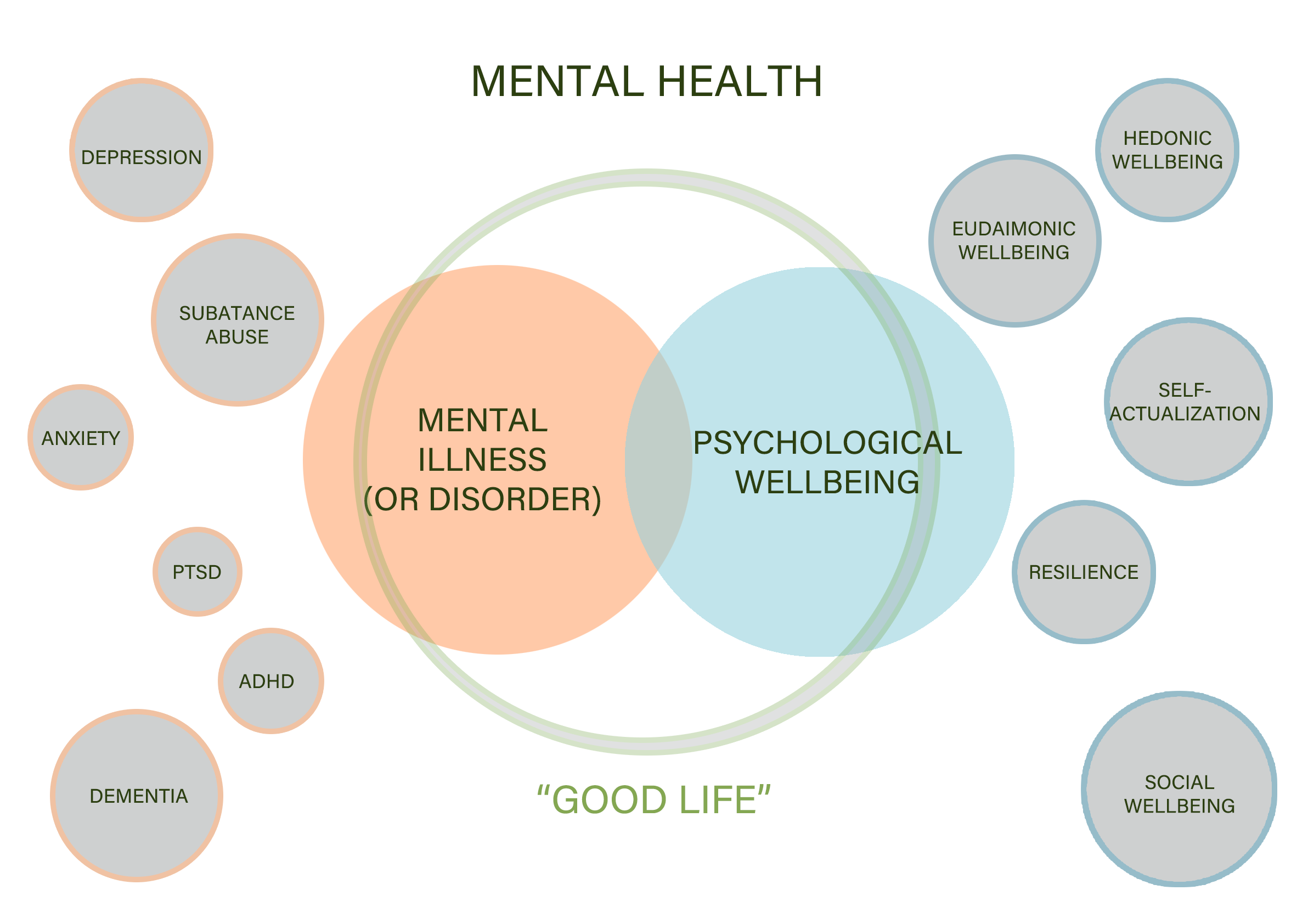
Mental health collapsed publicly.
Influencers admitted exhaustion.
Instead, Gen Z chose:
- Fewer hours
- Stable income
- Emotional bandwidth
- Life outside work
Small towns naturally enforce these values.
There is less comparison.
Less performance.
Less constant stimulation.
6. Community No Longer Requires Proximity
Cities mattered because people mattered.
But Gen Z lives in a digitally social world.
They:
- Maintain friendships online
- Work with global teams
- Build audiences remotely
- Date across borders
Loneliness is no longer tied to geography.
Belonging is no longer local.
A quiet town does not feel isolating when your world already exists online.
7. Housing Became the Breaking Point
Housing is where the urban dream finally died.
Gen Z understood something crucial:
- Renting forever is instability
- Ownership equals control
- Small towns make ownership realistic
In forgotten regions:
- Homes cost less than city deposits
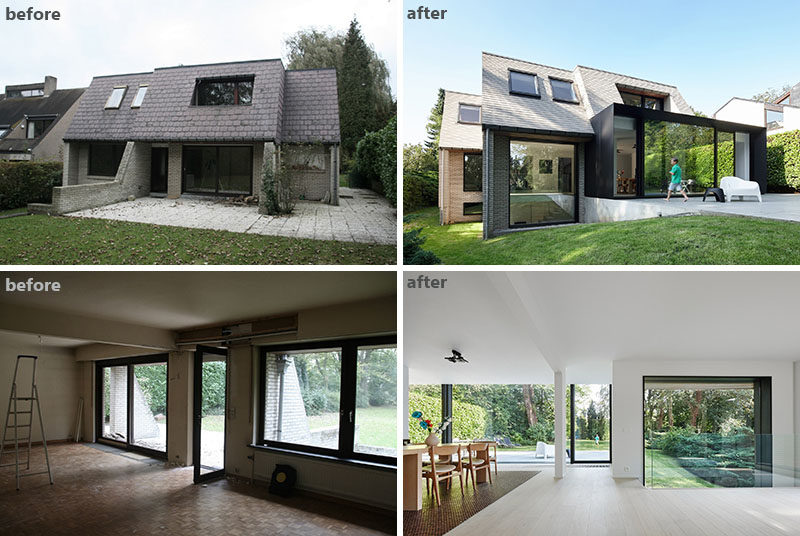
- Renovation beats rent
- Stability replaces uncertainty
For the first time in decades, young people can imagine owning their lives again.
8. Investors Followed the Youth — Quietly
As Gen Z returned:
- Cafes reopened
- Coworking spaces appeared
- Local services revived
- Infrastructure slowly followed
This is not tourism.
This is repopulation.
The smartest investors noticed early:
- Demand is growing silently
- Prices are still low
- Livability beats speculation
The revival is slow, organic, and durable.
9. This Is Not Running Away — It’s Strategic Withdrawal
Gen Z is not rejecting responsibility.
They are rejecting a broken deal.
They still work.
They still build careers.
They still contribute.
They simply refuse to do it on terms that destroy them.
This is not escape.
It is redesign.
10. The Future Will Not Be Decided in Skyscrapers
There will be no single headline announcing this shift.
No government report declaring cities obsolete.
Just:
- Quiet departures
- Revived towns
- Changing demographics
- New assumptions
By the time policymakers notice,
Generation Z will already be rooted elsewhere.
The future will be built:
- Slower
- Smaller
- Quieter
- More human
And it will not ask cities for permission.
A Silent Revolution Always Wins
History remembers loud revolutions.
But silent ones last longer.
Generation Z is not shouting.
They are simply leaving.
And that changes everything.