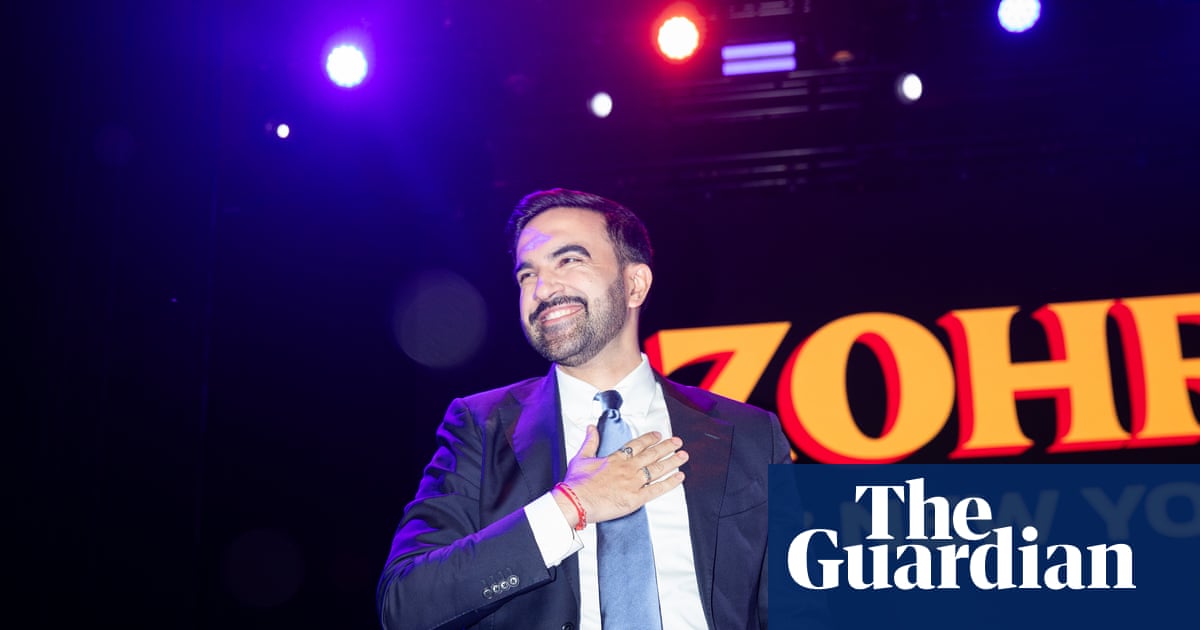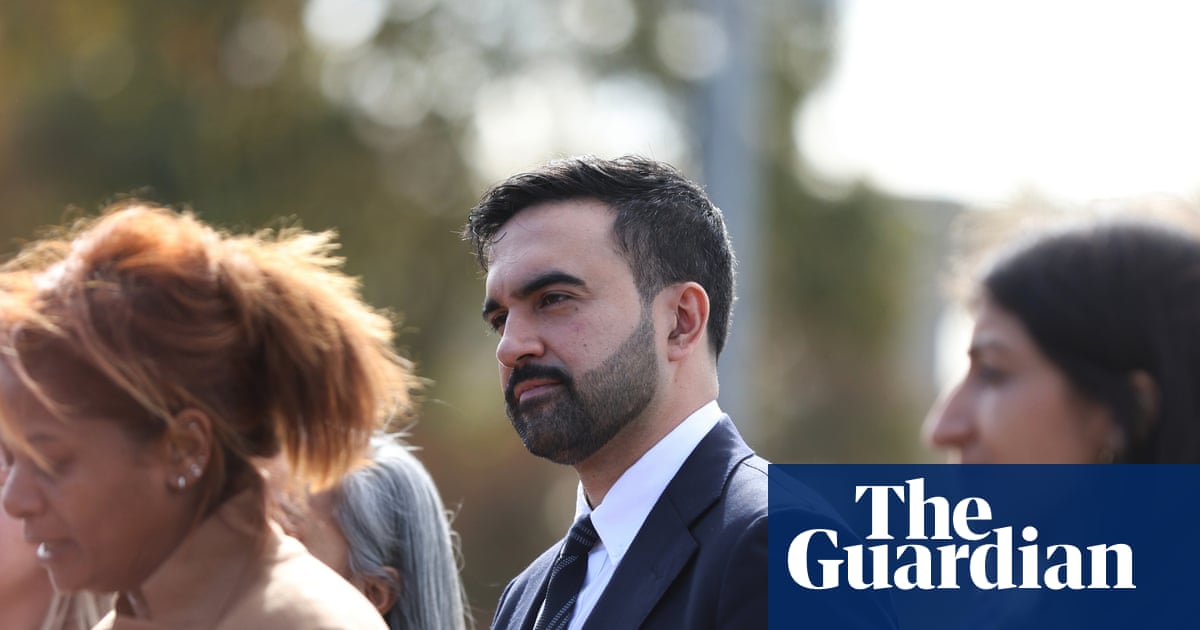

🗽 Zohran Mamdani: The New York Mayor Who Shocked the Establishment. Why He Won and What It Means for the U.S. and the World
A Historic Upset with Global Echoes
On November 4, 2025, New York City elected Zohran Mamdani as its 111th mayor — a result that surprised observers, reshaped local political narratives, and sent ripples across national and international political conversations. At 34, Mamdani will be the youngest mayor of New York in over a century, the city’s first Muslim mayor, and a prominent face for an energetic progressive movement that campaigned on affordability, public transit, and a radical rethink of urban public services.
This article unpacks Mamdani’s personal and political background, the mechanics of his upset victory, the policy priorities that propelled him, the immediate challenges he inherits, and the likely national and global consequences of his mayoralty. We analyze why his campaign resonated with New Yorkers, how his grassroots-organizing and digital strategy converted momentum into votes, and what his administration might mean for urban governance in an era of rising inequality and climate pressure.
1. The Man: Zohran Mamdani — Biography and Political Formation
Early life and identity. Zohran Mamdani was born and raised in Queens, New York, to immigrant parents. His identity as a South Asian Muslim who grew up in a working-class urban environment became a central narrative of his campaign: he presented himself as someone who knows the city’s daily struggles from the inside. That personal story mattered to voters who felt left behind by elite politics.
Education and career. Mamdani rose from local activism to elected office as a member of the New York State Assembly. He has described himself as a democratic socialist and positioned his politics around structural reforms addressing affordability, transit, and social services. His platform included high-visibility, bold promises — rent freezes for rent-stabilized units, free city buses, expanded childcare, and raising the local minimum wage — policies that connected with the city’s cost-of-living crisis.
Political approach and networks. What set Mamdani apart was the combination of grassroots field operations, strong social-media engagement, and endorsements from prominent progressives. He mobilized volunteers at scale and focused on in-person voter contact, a tactic that proved decisive in dense urban neighborhoods. His coalition spanned younger voters, many immigrant communities, and progressive activists frustrated with establishment figures.
2. The Campaign: Strategy, Messaging, and Turning Points
Core message: affordability and dignity. Mamdani’s campaign framed the election around basic cost-of-living relief — not abstract policy debates. The message “affordability for everyday New Yorkers” translated into concrete promises that voters could understand instantly: freeze rents (for covered units), make certain transit options free, expand childcare and food access. This clarity cut through noise.
Field operation and grassroots energy. Political analysts point to his ground game as decisive. Volunteers knocked on doors, registered new voters, and organized small-dollar fundraising drives. Where older-style campaigns relied on big checks and earned media, Mamdani’s campaign built sustained, personal contact. That organizational depth matters especially in cities where turnout is driven by mobilized neighborhoods.
Navigating attacks and controversy. The campaign faced attacks — from allegations about experience to sectarian and Islamophobic smears. Mamdani’s response emphasized a unifying, labor-first message and focused on policy rather than personalizing attacks. High-profile endorsements from progressive leaders amplified his resilience, while debates and town-halls gave him a platform to demonstrate ideas and poise.
Opponents and split votes. The 2025 race saw an unusual mixture of candidates, including former Governor Andrew Cuomo running as an independent and Republican Curtis Sliwa. The presence of multiple high-profile candidates created a fractured media narrative and opened opportunities for a disciplined progressive candidate with a clean, consistent message and efficient voter mobilization.
3. Why Voters Chose Mamdani — Key Drivers of the Victory
1) Affordability => emotional resonance
New Yorkers face steep rents, expensive childcare, and rising daily costs. Promises to freeze rents and make certain public services more affordable connected emotionally. Small, immediate-sounding changes are easier to believe and support than sweeping nebulous reforms.
2) Authenticity and identity
Mamdani’s background — a relatable, local upbringing and identity as a young progressive of immigrant roots — made him appear as a direct product of the city’s neighborhoods. Authenticity in candidates often beats polished technocratic messaging in local elections.
3) Mobilized youth and new voters
Turnout among Gen Z and younger millennials was high in precincts that favored Mamdani. His campaign leveraged social platforms, influencers, and grassroots organizers to convert energy into ballots.
4) Field operation
In cities, elections are won at the block level. Mamdani’s field operation — disciplined door-knocking, texting, and neighborhood events — outperformed opponents relying on name recognition.
4. The Policy Playbook: What He Promised and What He Can Deliver
Mamdani ran on a suite of ambitious, progressive policy proposals. Below is a breakdown of the big items, how feasible they are administratively, and their potential impact.
A. Rent policy: Rent freeze for covered units
Promise: Freeze rents for rent-stabilized units and expand renter protections.
Feasibility: City-level rent control and tenant protections can be strengthened via municipal ordinances and local enforcement, though state-level law and landlord litigation constrain scope. Any aggressive city measures could face legal challenges and require coordination with the state legislature.
B. Free city buses / transit affordability
Promise: Make certain bus routes free to reduce commuting costs.
Feasibility: City-funded pilot programs are possible; wider implementation requires MTA and state coordination plus funding reallocations or new revenue streams. Policy impact would include increased ridership, economic relief for low-income workers, and possible congestion effects.
C. Universal childcare and social supports
Promise: Expanded childcare access and subsidies.
Feasibility: Achievable through a mix of city budgeting, federal funds, and partnerships with community providers — but sustained funding is the core challenge. Implementation would improve workforce participation and economic resilience for families.
D. Public safety and policing: a progressive approach
Promise: Reform policing while addressing quality-of-life concerns.
Feasibility: Mamdani will need to balance police accountability reforms with pragmatic measures that reassure voters about safety. Cooperation with NYPD leadership, unions, and community safety groups will be critical and politically fraught.
5. Immediate Challenges the New Mayor Inherits
Fiscal constraints and budget choices. NYC’s budget is huge but strained; implementing big promises will require either reallocation, new taxes, or state/federal support. Mamdani’s rhetoric of taxing the wealthy and redirecting funds will clash with entrenched interests.
Housing market inertia. Even with tenant protections, the structural housing shortage and powerful real-estate stakeholders make rapid change difficult. Lawsuits and state-level preemption are possible obstacles.
Public transport governance. The MTA’s governance and funding structure involve state and federal stakeholders, so pilot programs for free buses will require negotiation and funding strategies.
Polarized national scrutiny. As mayor of one of the world’s most visible cities, Mamdani will face intense national scrutiny — from critics on the right labeling him “radical” to progressive activists demanding rapid change. Managing national narratives and local governance simultaneously is a unique leadership challenge.
6. National Political Consequences
Signal to the Democratic party and progressives. Mamdani’s victory is a clear message that progressive policies can win in major, diverse, and economically central cities — especially when coupled with strong field operations and a focus on economic issues that touch everyday life. Other local and state Democrats will analyze his coalition carefully.
Electoral playbook: economics over culture wars. While cultural issues dominate national headlines, Mamdani’s success suggests economic messages — affordability, transit costs, childcare — can be decisive when framed around immediate relief. This may influence campaign strategies in swing districts and other urban centers.
Recruitment and identity politics. Mamdani’s win also signals the viability of younger, more identifiably diverse candidates in top-tier offices, encouraging national parties to diversify their candidate pipelines.
7. Global and Urban Policy Implications
City governance as global policy lab. Cities increasingly become laboratories for policies — free transit pilots, universal childcare experiments, municipal climate policy. Mamdani’s agenda will be watched globally as other cities consider similar tools to mitigate urban inequality.
International soft power. New York’s mayor frequently represents the city abroad in diplomacy, trade, cultural programming and climate coalitions. A progressive mayor prioritizing social welfare could shift how NYC positions itself in global networks—emphasizing social inclusion and urban resilience over purely financial interests.
Diaspora and diplomatic interest. Mamdani’s South Asian and Muslim background will be noted internationally, especially in countries and communities that share cultural ties to his family roots. His election generated celebrations abroad, notably in India and South Asian diaspora communities.
8. What Success Would Look Like — Metrics to Watch
If Mamdani wants to validate his mandate, measurable early wins will matter:
- Transit affordability pilots launched and evaluated (ridership, commute cost reductions).
- Tenant protections that reduce displacement in targeted neighborhoods.
- Childcare expansion enrollment increases and labor-force participation among parents.
- Public safety metrics: measured reductions in specific crimes with community oversight.
- Budget transparency: how new revenues or reallocations are communicated and justified.
Visible, well-communicated short-term wins will be vital to sustain political capital for deeper structural reforms.
9. Opponents’ View and Political Pushback
Conservative commentators framed his platform as fiscally unrealistic; some centrists expressed concerns about administrative experience. Financial stakeholders and real-estate interests will likely oppose aggressive rent policies and higher taxes on the wealthy. Managing these pushbacks will require coalition-building and careful phasing of reforms.
10. The Narrative Beyond Policy — Symbolism and Story
Beyond line items in a budget, Mamdani’s victory has symbolic power: it shows a major global city electing a young, progressive, immigrant-rooted mayor with an unapologetic focus on affordability. That symbolism encourages activism and reshapes political language about what is “electable” in urban America.
Visuals and Multimedia Suggestions for Areavis.com
- Header cover: Mamdani on stage, NYC skyline (see cover image suggestion above).
- Inline images: Campaign rallies, door-knocking volunteers, transit snapshots, Queens neighborhoods where turnout surged.
- Infographics: Vote-share heat map by borough, timeline of campaign milestones, top five policy promises vs. implementation feasibility.
- Pull quotes: “Affordability, not abstraction” — highlight as a blockquote.
- Alt text suggestions: “Zohran Mamdani addressing supporters with New York skyline behind him” etc.
Quick Fact Box (for side panel)
- Name: Zohran Mamdani.
- Age at election: 34.
- Political identity: Democratic socialist / progressive.
- Election date: November 4, 2025.
- Historic notes: First Muslim mayor of NYC; youngest mayor in over 100 years.
A New Chapter for New York (and a Test Case for Cities)
Zohran Mamdani’s victory is a pivotal moment — a product of grassroots organization, clarity on affordability, and the energy of younger and diverse voters. It is a test case for whether progressive municipal policies can be delivered within the complex institutional and fiscal realities of a global city. If Mamdani converts campaign promises into tangible, well-communicated wins, his administration could not only change life for millions of New Yorkers but also shift policy debates in cities across the United States and beyond. If he struggles to deliver, the nation will learn its limits. Either way, the world will be watching.