


The $10 Luxury: How the Small Treat Economy Is Replacing Big Dreams in 2026
The Illusion of Wealth in a $10 World
Welcome to the Small Treat Economy.
This is the world where:
- A $10 coffee feels like luxury
- A $40 delivery dinner feels deserved
- A $15 subscription feels harmless
But buying a home? Unthinkable.
Saving $100,000? Unrealistic.
In 2026, we are witnessing a massive psychological and economic shift. People are no longer chasing big dreams—they are optimizing for small moments of happiness.
And the consequences are bigger than most people realize.
Chapter 1: The Death of Big Purchases
For decades, success had a clear structure.
You worked hard, saved money, and eventually bought:
- A house
- A car
- A stable future
That model is collapsing.
Why Big Purchases Are Disappearing
There are several reasons why younger generations are abandoning traditional milestones:
1. Housing Prices Have Broken the System
In many parts of the world, housing has become mathematically unattainable.
- Prices have increased faster than wages
- Interest rates remain volatile
- Down payments are enormous
For many people, owning property is no longer a goal—it’s a fantasy.
2. Economic Uncertainty Is the New Normal
Freelance work, gig economy jobs, AI disruption—nothing feels stable anymore.
Why commit to a 30-year mortgage when:
- Your job may not exist in 5 years
- Your income fluctuates
- Your industry is being automated
3. Lifestyle Over Legacy
Previous generations prioritized:
- Stability
- Ownership
- Long-term planning
Today’s mindset is different:
- Flexibility
- Experiences
- Freedom
Owning less is often seen as more.
Chapter 2: The Rise of the $10 Luxury
If people aren’t spending on big things… where is the money going?
Into small, repeatable pleasures.

Everyday Indulgences That Define 2026
Here’s what modern spending looks like:
- ☕ Premium coffee ($5–$10 daily)
- 🍔 Food delivery ($15–$40 per order)
- 🎧 Subscriptions (Netflix, Spotify, apps)
- 🛍️ Fast fashion micro-trends
- 📱 Digital purchases (skins, filters, upgrades)
Each purchase is small.
But combined?
They can easily reach:
👉 $1,000–$3,000 per month
And here’s the key:
It doesn’t feel expensive.
Chapter 3: The Psychology of “Feeling Rich”
This is where things get fascinating.
The Small Treat Economy isn’t just about money—it’s about dopamine.
Instant Gratification Wins
Small purchases deliver:
- Immediate pleasure
- Low commitment
- Minimal guilt
Buying a coffee:
✔ feels good
✔ is socially accepted
✔ doesn’t require planning
Compare that to buying a house:
❌ stressful
❌ risky
❌ long-term commitment
Your brain chooses the easier reward.
The Dopamine Loop
Each small purchase triggers a reward cycle:
- Anticipation
- Purchase
- Satisfaction
- Repeat
Over time, this becomes addictive.
And platforms amplify it:
- Instagram shows lifestyle perfection
- TikTok promotes “treat yourself” culture
- Brands design products for impulse buying
Chapter 4: Social Media Made It Worse
Social media didn’t create this trend—but it supercharged it.

The Comparison Trap
You don’t just buy for yourself anymore.
You buy:
- To post
- To share
- To be seen
A coffee isn’t just a drink—it’s content.
The Normalization of Spending
Scroll for 10 minutes and you’ll see:
- People ordering food daily
- Shopping hauls
- Luxury “small items”
This creates a dangerous illusion:
👉 “Everyone is spending like this.”
Chapter 5: Companies Are Exploiting It Perfectly
This shift didn’t go unnoticed.
In fact, companies are designing entire business models around it.
Strategies Behind the Small Treat Economy
1. Micro-Pricing
Instead of selling a $1,000 product, companies sell:
- $9.99 subscriptions
- $14.99 upgrades
- $4.99 add-ons
Psychologically easier to accept.
2. Subscription Everything
You no longer own products.
You rent access:
- Music
- Movies
- Software
- Even fitness
Monthly payments feel small.
But they never stop.
3. FOMO Marketing
Limited-time offers
Flash sales
Drops
All designed to trigger:
👉 “Buy now or regret later”
Chapter 6: The Hidden Cost
Here’s the uncomfortable truth:
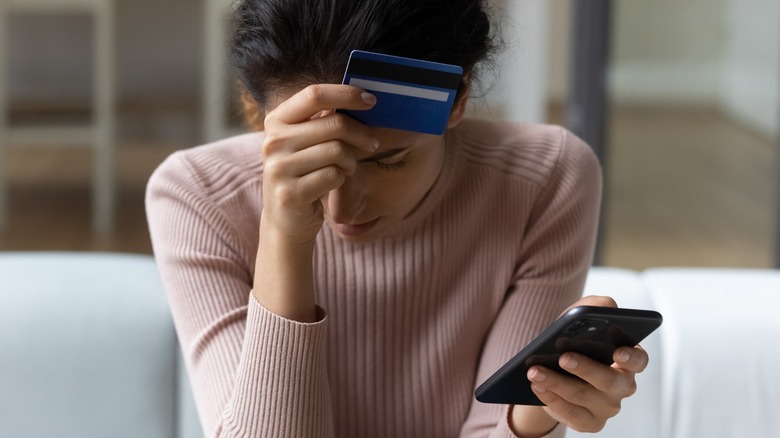
The Small Treat Economy can quietly destroy your finances.
Death by a Thousand Purchases
Let’s break it down:
- Coffee: $8/day → $240/month
- Food delivery: $20/day → $600/month
- Subscriptions: $100/month
- Shopping: $300/month
👉 Total: $1,240/month
That’s nearly:
👉 $15,000 per year
Money that could:
- Be invested
- Build savings
- Change your life
Chapter 7: Why It Feels Impossible to Stop
If it’s so obvious… why don’t people change?
Because the system is designed against you.
Emotional Spending Is the Default
People use small purchases to:
- Reduce stress
- Reward themselves
- Escape boredom
It’s not about logic—it’s about emotion.
The “I Deserve It” Culture
Modern messaging tells you:
👉 “You work hard, treat yourself.”
And that’s true.
But when “treating yourself” becomes daily…
It stops being a treat.
Chapter 8: Is This the End of Financial Freedom?
This trend raises a serious question:
Are we trading long-term wealth for short-term happiness?
A New Kind of Poverty
Not visible. Not dramatic.
But real.
People:
- Earn decent money
- Spend constantly
- Save nothing
And feel stuck.
Chapter 9: How to Take Back Control
The goal isn’t to stop enjoying life.
It’s to become aware.
Practical Strategies That Actually Work
1. The “Conscious Treat” Rule
Instead of daily spending:
👉 Choose 2–3 intentional treats per week
You enjoy them more.
2. Track Everything (At Least Once)
Most people underestimate spending.
Track your expenses for 7 days.
You’ll be shocked.
3. Replace, Don’t Remove
Instead of:
❌ No coffee
Try:
✔ Coffee at home
✔ Cheaper alternatives
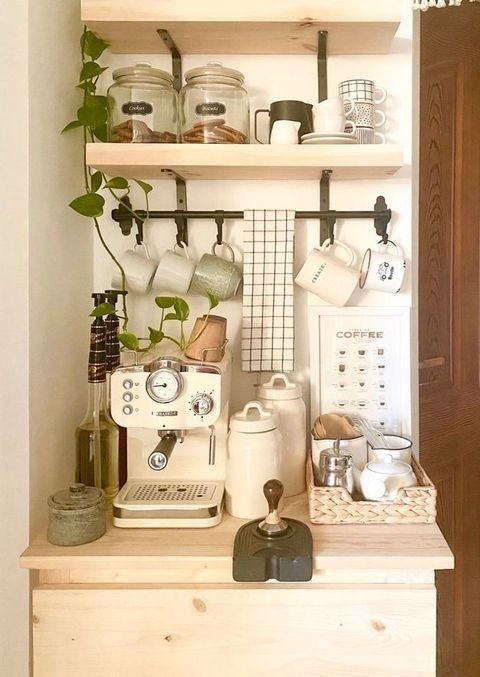
4. Create a “Luxury Budget”
Set a monthly amount:
👉 e.g. $200 for treats
Once it’s gone—stop.
5. Delay Purchases
Before buying:
👉 Wait 24 hours
Most impulses disappear.
Chapter 10: The Future of Money Behavior
The Small Treat Economy isn’t going away.
If anything, it will grow.
Because:
- AI will make life faster
- Attention spans will shrink
- Instant gratification will increase
The real challenge is not avoiding it.
It’s learning how to navigate it intelligently.
Conclusion: The Price of Feeling Rich
In 2026, feeling rich is easier than ever.
You can:
- Buy a luxury coffee
- Order premium food
- Subscribe to everything
And for a moment…
It feels like success.
But real wealth is not about what you can afford today.
It’s about what you can sustain tomorrow.
The Small Treat Economy offers comfort, convenience, and instant pleasure.
But if left unchecked…
It quietly replaces your biggest dreams with the illusion of a better life.