


The Subscription Trap: Why You Own Nothing Anymore

You don’t remember signing anything.
There was no announcement.
No official decision.
No moment where someone said: From now on, you will no longer own things.
And yet here you are.
Paying every month.
For music you don’t own.
Movies that can disappear overnight.
Software that stops working if you cancel.
Cars that unlock features only after payment.
Memories stored behind a paywall.
This is not a conspiracy.
It is something far more powerful.
It is a business model.
1. Ownership Didn’t Vanish — It Was Quietly Replaced
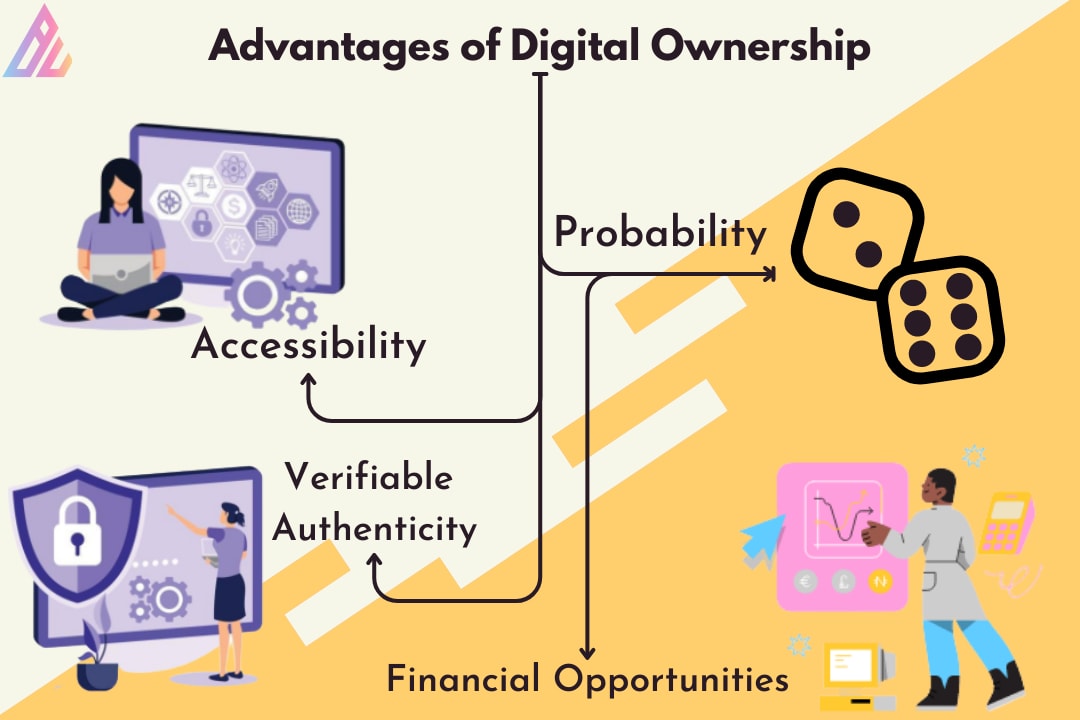
For most of modern history, ownership was clear and physical.
You bought something.
It belonged to you.
No conditions attached.
Books stayed on shelves.
Music stayed playable.
Tools worked until they broke.
Today, ownership still feels present — but legally and practically, it has been replaced by licensed access.
You don’t own products anymore.
You rent functionality.
And because the transition happened slowly, almost no one noticed.
2. Subscriptions Feel Cheap — Until They Become Mandatory
A single subscription feels harmless.
€9.99 doesn’t hurt.
€12.99 seems reasonable.
But modern life isn’t built on one subscription.
It’s built on dozens.
Streaming.
Cloud storage.
Productivity software.
Fitness platforms.
Smart home services.
News access.
Individually affordable.
Collectively suffocating.
The trap works because it never feels like a trap — until stopping feels impossible.
3. Why Companies Prefer Subscriptions to Sales
From a corporate perspective, subscriptions are perfect.
A sale happens once.
A subscription lasts forever.
Subscriptions offer:
- Predictable revenue
- Continuous control
- Behavioral data
- Price flexibility
- Customer dependency
Ownership ends the relationship.
Subscriptions lock it in.
Once you cancel, you lose access — not only to products, but to habits, workflows, and personal history.
4. Streaming Taught Us That Access Is Not Ownership
Streaming platforms trained an entire generation to confuse access with ownership.
Movies disappear due to licensing changes.
Albums vanish overnight.
Digital libraries shrink silently.
You didn’t lose your content.
You lost permission.
And permission can always be revoked.
5. Software as a Service Turned Work into a Lease
Software once empowered users.
Now it controls them.
Designers can’t open old files without an active subscription.
Writers lose access to tools they mastered.
Businesses collapse when licenses expire.
Your work exists only as long as payments continue.
Productivity itself became conditional.
6. When Physical Objects Stop Being Fully Yours
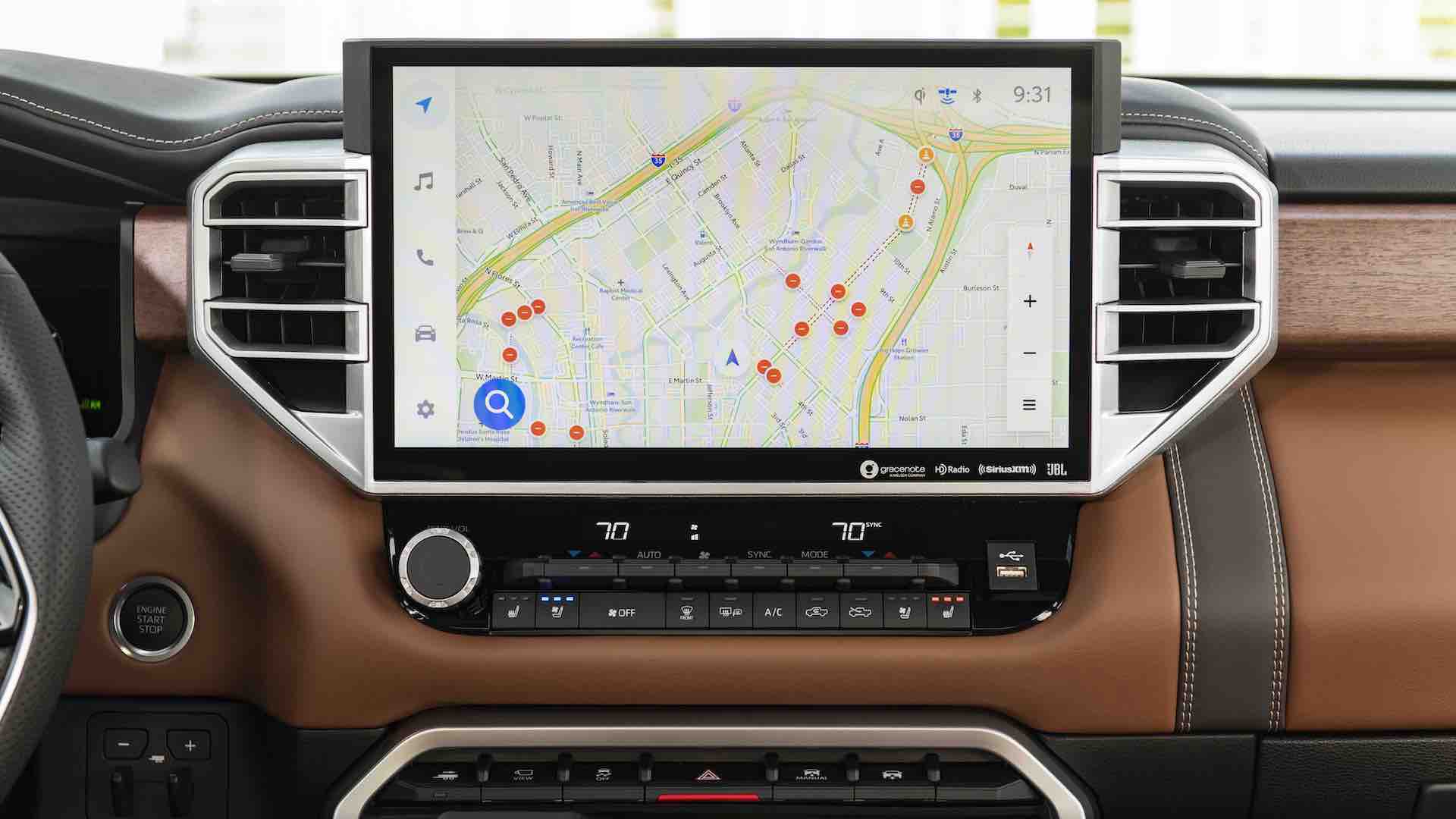
The most disturbing shift is happening quietly.
Even physical objects are no longer fully owned.
Cars lock features behind paywalls.
Printers require subscriptions to function.
Smart devices stop working without cloud access.
You may own the object —
but the company owns control.
7. Housing Is Becoming a Service, Not a Home

Housing was once the ultimate form of ownership.
Now it’s being redesigned as a service.
Build-to-rent developments.
Flexible leases.
Corporate landlords.
“Lifestyle living solutions.”
You don’t buy stability anymore.
You subscribe to living.
8. Cars Are Turning into Subscription Platforms

Modern cars are no longer machines.
They are platforms.
Hardware is sold once.
Features are monetized forever.
Seat heating.
Navigation.
Performance modes.
Freedom now comes with terms and conditions.
9. Health and Fitness Became Licensed Experiences
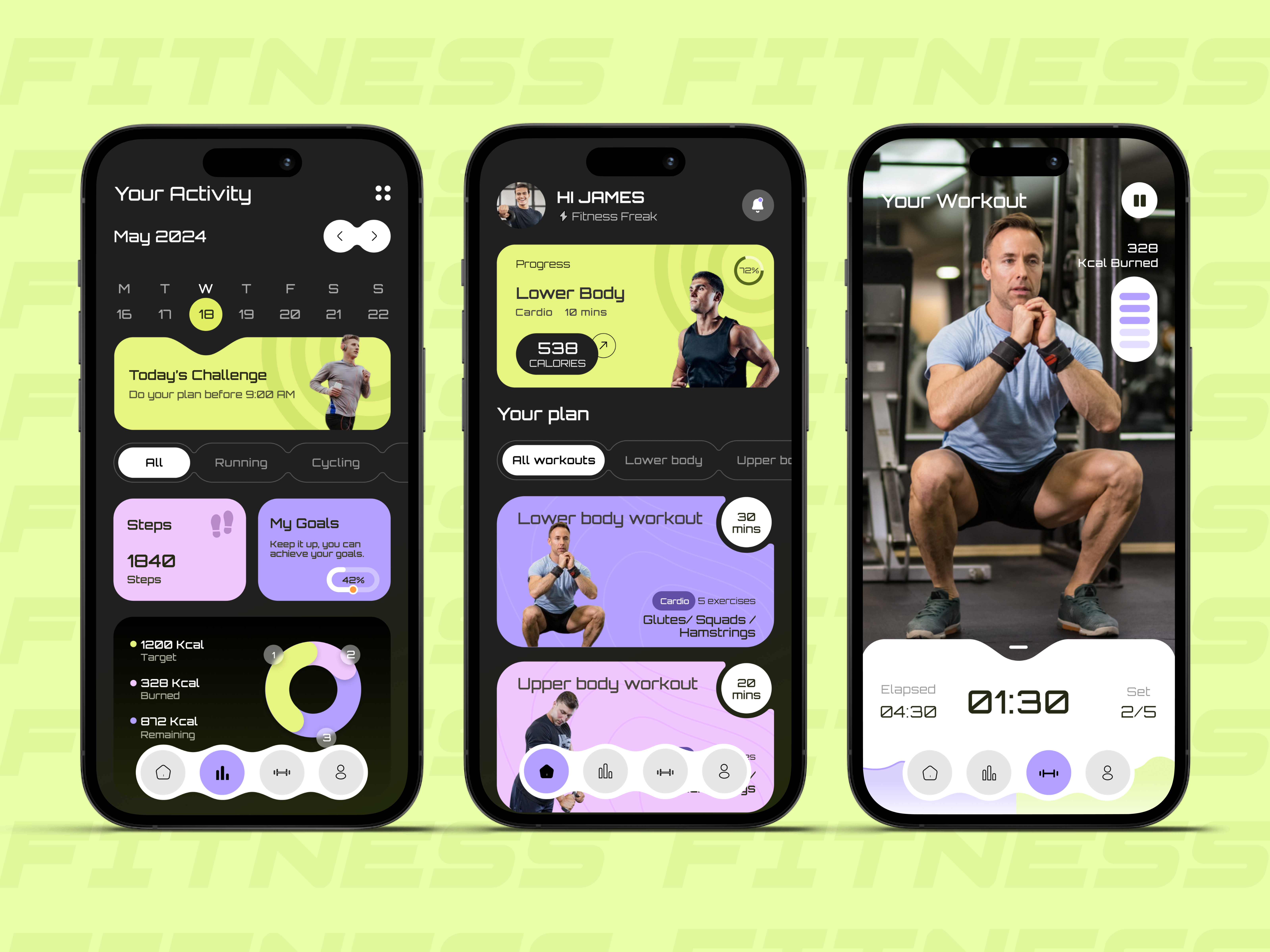
Even the body is no longer offline.
Fitness platforms lock progress behind paywalls.
Wearables require subscriptions to unlock features.
Health data lives on servers you don’t control.
Your well-being became a service.
10. Education Without Ownership of Knowledge

Learning used to be something you carried with you.
Now it expires.
Courses disappear.
Certificates require renewal.
Platforms control access.
Knowledge itself became temporary.
11. Entertainment Offers Infinity Without Permanence
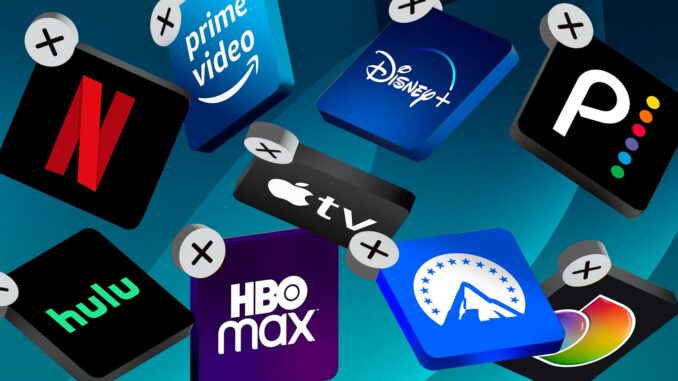
Entertainment subscriptions promise abundance.
What they deliver is fragmentation.
To watch everything, you pay everywhere.
And still — nothing stays.
12. Memory Is Now a Monthly Payment
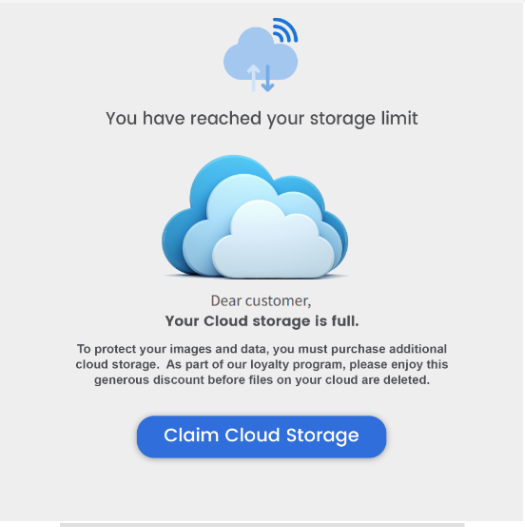
Photos.
Videos.
Messages.
Your memories live on servers you don’t control.
Miss a payment —
and your past becomes inaccessible.
Memory itself became monetized.
13. The Silent Transfer of Power

Subscriptions don’t dominate by force.
They dominate by dependency.
When everything requires permission,
power concentrates quietly.
You comply — because losing access hurts more than paying.
14. Convenience Is the Strongest Control System Ever Built
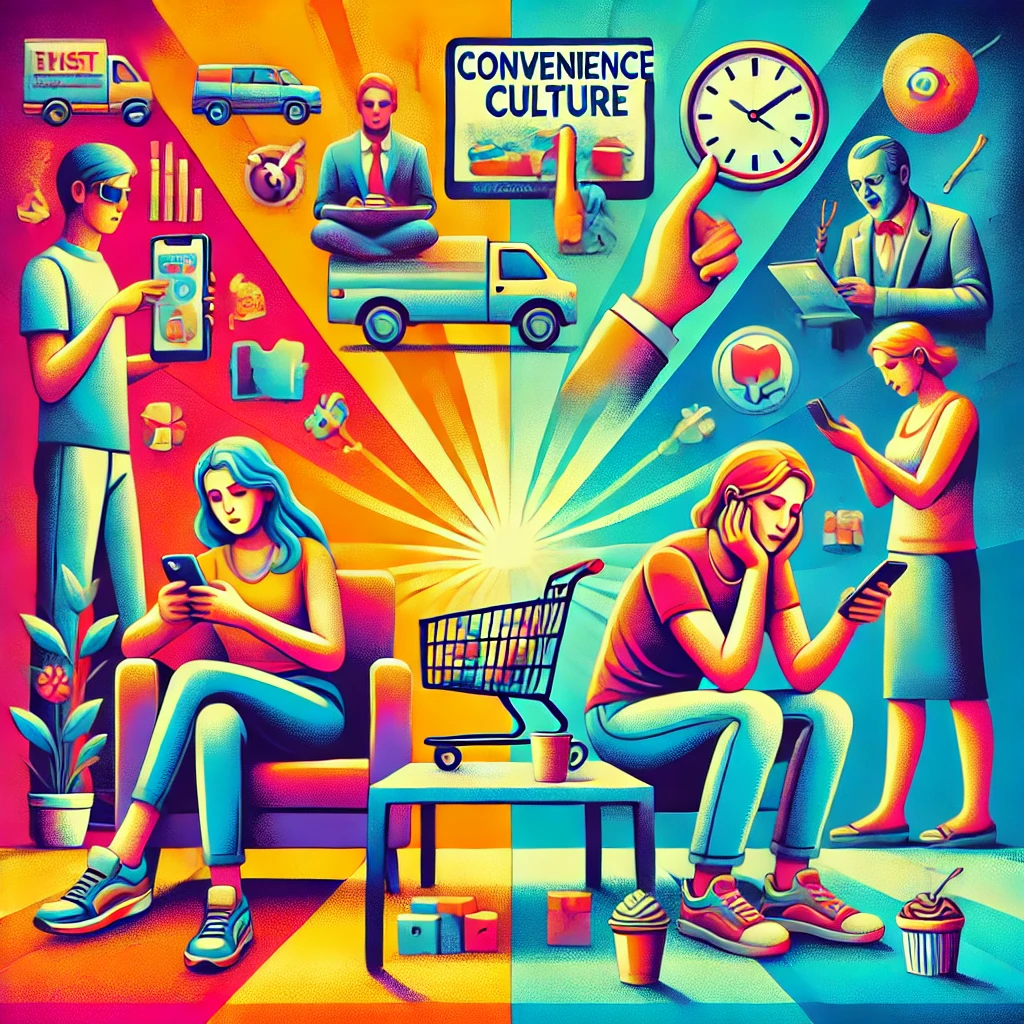
No system in history worked this smoothly.
Why?
Because it doesn’t feel oppressive.
It feels easy.
Control works best when it feels optional.
15. Resistance Looks Boring — and That’s Why It Works

Resistance isn’t dramatic.
It looks like:
- Physical books
- Downloaded music
- Offline backups
- One-time purchases
Ownership is slower.
Heavier.
Less elegant.
But it’s real.
16. The Only Question That Matters
The question is no longer:
Can we subscribe to everything?
The real question is:
Should we?
A world without ownership is fragile.
A life without permanence is anxious by design.
Final Reflection
The subscription trap works because it feels normal.
It doesn’t shock.
It doesn’t announce itself.
It simply bills you monthly.
Until one day you realize:
Everything you use
belongs to someone else.
And permission
has replaced freedom.